

Potato Dishes Around the World: How Cultures Cook Potatoes
Few ingredients have traveled as far or become as deeply connected to local cooking traditions as the potato. Originally cultivated in the Andes of South America, potatoes eventually reached kitchens across Europe, Asia, Africa, and North America.
Today, the same humble ingredient can become a creamy French gratin, a spicy Indian curry, a Spanish tortilla, or a comforting bowl of mashed potatoes.
What makes these dishes interesting is not simply the potato itself, but how different cultures have adapted it to their ingredients, cooking methods, and food traditions.
Exploring how different cultures cook potatoes reveals an extraordinary variety of flavors, textures, and techniques built around one versatile vegetable.
Where Did Potatoes Originally Come From?
The history of the potato begins in the Andes, particularly in regions of present-day Peru and Bolivia.
Indigenous Andean communities domesticated potatoes thousands of years ago, developing agricultural knowledge suited to mountain environments and varied elevations.
Potatoes became an important part of local food systems long before Europeans arrived in South America.
Andean communities also developed methods for preserving potatoes, including the production of chuño, a freeze-dried potato product traditionally prepared using the cold nights and sunny days of high-altitude environments.
Spanish colonization introduced potatoes to Europe during the sixteenth century. From there, cultivation gradually expanded into other regions.
The potato’s ability to grow in different climates helped it become an important food crop, although its acceptance varied considerably between countries.
Today, potatoes appear in countless regional dishes, each reflecting a different culinary history.
Peru and Bolivia: Potatoes at the Center of Andean Cooking
In the Andes, potatoes are more than a side dish. They are deeply connected to agricultural traditions, local identity, and everyday cooking.
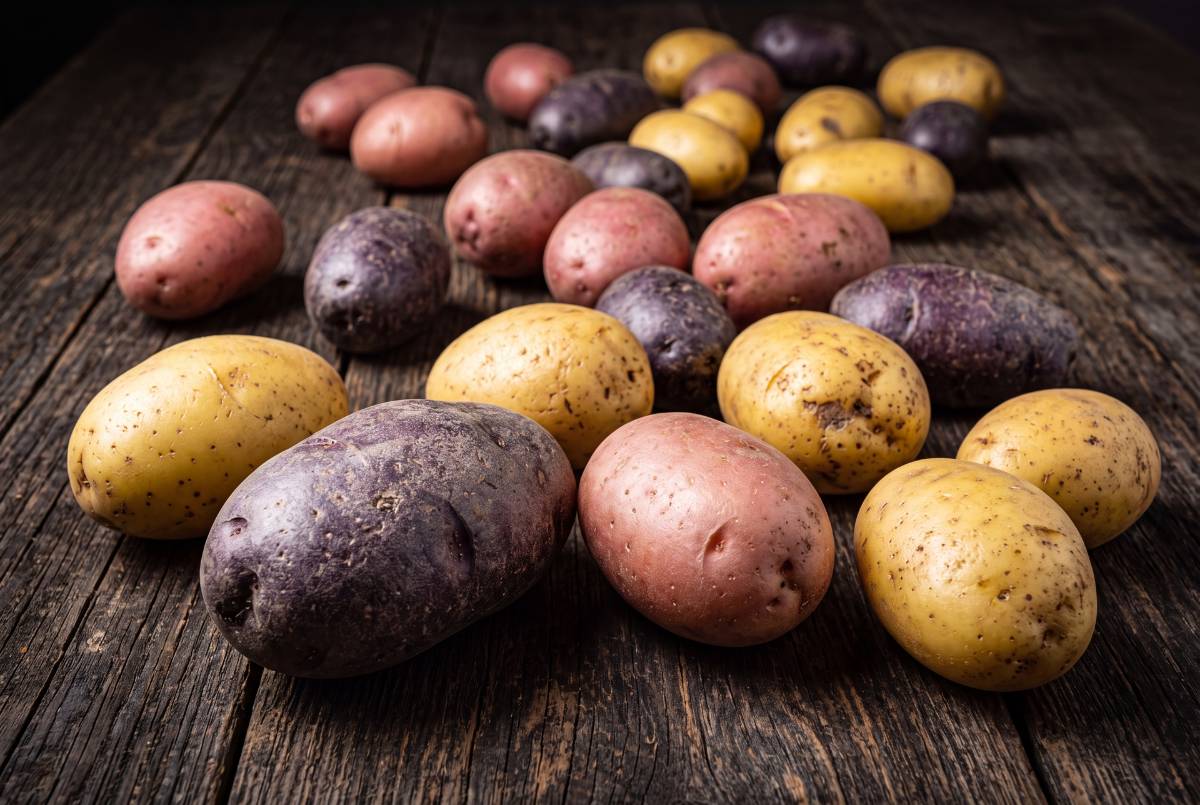
The region is home to an extraordinary diversity of native potato varieties, with differences in color, shape, texture, and flavor.
Papa a la Huancaína – Peru
Papa a la huancaína is a Peruvian dish made with boiled potatoes served with a creamy, mildly spicy sauce.
The sauce commonly includes fresh cheese, ají amarillo peppers, milk, and crackers or bread.
The potatoes are usually sliced and served at room temperature or chilled, often accompanied by lettuce, olives, and hard-boiled eggs.
Unlike roasted or fried potato dishes, the focus here is on the contrast between tender boiled potatoes and a rich, flavorful sauce.
Chuño – Traditional Andean Potato Preservation
Chuño is a traditional preserved potato product associated with high-altitude Andean communities.
Its preparation takes advantage of natural freezing conditions, sunlight, and drying.
The resulting potatoes can be stored for extended periods under appropriate conditions and are used in regional soups and stews.
Chuño demonstrates how environmental conditions influenced food preparation long before modern refrigeration.
Spain: Potatoes in Tortilla Española and Patatas Bravas
Spanish cooking offers two very different approaches to potatoes.
One transforms them into a substantial egg-based dish, while the other emphasizes crisp surfaces and flavorful sauces.
Tortilla Española
Tortilla española, also called tortilla de patatas, is a thick Spanish omelet prepared with potatoes and eggs.
Onions are included in many versions, although their use remains a familiar subject of debate.
The potatoes are generally cooked gently in olive oil until tender before being combined with beaten eggs.
The mixture is then cooked in a skillet until set.
Unlike a thin French omelet, tortilla española is thick enough to slice into wedges.
It can be served warm or at room temperature and is commonly enjoyed as a tapa or part of a meal.
Patatas Bravas
Patatas bravas are typically made with potatoes cut into chunks, fried until golden, and served with a flavorful sauce.
The sauce varies by region and establishment, but paprika, garlic, and chili are common flavor components.
Some versions include a tomato-based sauce, while others rely on paprika and stock.
The contrast between crisp potatoes and a bold sauce is central to the dish.
France: Gratin Dauphinois and Pommes Purée
French cooking demonstrates how potatoes can take on entirely different textures depending on preparation.
Gratin Dauphinois
Gratin dauphinois comes from the Dauphiné region of southeastern France.
It is prepared with thinly sliced potatoes baked slowly in milk, cream, or a combination of the two, often with garlic.
As the potatoes cook, their starch helps thicken the surrounding liquid.
The result is a tender, creamy dish with a lightly browned surface.
Although cheese appears in many modern potato gratins, traditional gratin dauphinois is generally distinguished from cheese-topped gratins.
Pommes Purée
Pommes purée is a French preparation of mashed potatoes known for its particularly smooth texture.
Potatoes are cooked until tender, then mashed or passed through a potato ricer or food mill.
Butter and warm milk may be incorporated to create a creamy consistency.
The goal is a smooth purée rather than a chunky mash.
Choosing a suitable potato variety and avoiding excessive mechanical mixing are important because overworking cooked potatoes can produce a gluey texture.
Ireland: Colcannon and Boxty
Potatoes became deeply associated with Irish food history after their introduction from the Americas.
They eventually became an important staple, particularly among poorer rural households.
The devastating Irish Potato Famine of the nineteenth century also demonstrates the consequences of widespread dependence on a vulnerable crop under difficult political and economic conditions.
Traditional Irish cooking includes several distinctive potato preparations.
Colcannon
Colcannon combines mashed potatoes with cabbage or kale.
Butter and milk are commonly added, while scallions or other onions appear in many variations.
The vegetables provide texture and flavor within the mashed potatoes.
Colcannon is especially associated with Irish home cooking and seasonal traditions.
Boxty
Boxty is an Irish potato pancake associated particularly with parts of the north and northwest of Ireland.
Recipes vary, but many combine grated raw potatoes with flour and sometimes mashed potatoes.
The mixture is cooked on a griddle or in a skillet.
Depending on the recipe, boxty can have a crisp exterior and a soft interior.
Germany: Kartoffelpuffer and Warm Potato Salad
German potato cooking includes fried pancakes, boiled potatoes, dumplings, and numerous regional salads.
Kartoffelpuffer
Kartoffelpuffer are German potato pancakes commonly prepared with grated potatoes, onions, eggs, and flour.
The mixture is formed into small pancakes and fried until golden.
They are often served with applesauce or other accompaniments.
The grated potato creates crisp edges, while the interior remains tender.
German Potato Salad
Potato salad varies widely across Germany.
In some southern German preparations, sliced cooked potatoes are dressed with warm broth, vinegar, mustard, and oil.
Other regional versions use mayonnaise or different combinations of ingredients.
The warm, vinegar-based style is particularly useful for understanding how potatoes absorb seasoning.
Waxy potatoes are often preferred because they hold their shape after cooking and slicing.
Poland and Eastern Europe: Pierogi and Potato Pancakes
Potatoes play an important role in many Central and Eastern European cuisines.
They appear in dumplings, pancakes, soups, and baked dishes.
Polish Pierogi
Pierogi are filled dumplings made with dough wrapped around savory or sweet fillings.
One familiar Polish variety, pierogi ruskie, contains potatoes, twaróg cheese, and onions.
Despite the name, pierogi ruskie are associated with the historical region of Red Ruthenia rather than simply meaning Russian dumplings.
The dumplings are boiled and may then be pan-fried.
Potatoes provide a soft, substantial filling that contrasts with the tender dough.
Potato Pancakes Across Eastern Europe
Grated potato pancakes appear in several neighboring culinary traditions.
Polish placki ziemniaczane, Ukrainian deruny, and Belarusian draniki share similarities but have their own regional preparations and serving customs.
These dishes demonstrate how the same basic technique grating potatoes and frying them developed into recognizable foods across different cultures.
India: Aloo Gobi and Aloo Paratha
Potatoes became widely incorporated into Indian cooking after their introduction during the early modern period.
Today, they are used in curries, stuffed breads, snacks, and vegetable dishes.
Aloo Gobi
Aloo gobi combines potatoes and cauliflower with spices.
Common seasonings include turmeric, cumin, coriander, ginger, and chili, although recipes vary by region and household.
Some preparations are relatively dry, allowing the vegetables to retain their shape.
Others contain more tomato or liquid.
The potatoes absorb the seasonings while the cauliflower contributes a contrasting texture.
Aloo Paratha
Aloo paratha is a stuffed flatbread particularly associated with northern Indian cooking.
A seasoned mashed potato filling is enclosed in wheat dough, rolled out, and cooked on a hot griddle.
The filling may include green chilies, cilantro, cumin, and other spices.
Aloo paratha is commonly served with yogurt, pickles, or butter.
The cooking method produces a browned exterior surrounding a soft, seasoned potato filling.
Japan: Korokke and Nikujaga
Potatoes appear in Japanese home cooking as well as dishes influenced by Western culinary traditions.
Korokke
Japanese korokke are croquettes commonly prepared with mashed potatoes.
The filling may include vegetables or meat, depending on the variety.
For a vegetarian version, onions, carrots, corn, or mushrooms can be combined with mashed potatoes.
The mixture is shaped, coated with flour, egg, and panko breadcrumbs, then fried.
The result is a crisp coating surrounding a soft potato filling.
Nikujaga
Nikujaga is a Japanese simmered dish made with potatoes, onions, and traditionally meat.
The ingredients are cooked in a seasoned liquid commonly containing soy sauce, sugar, sake, and mirin.
Vegetarian adaptations can use mushrooms or other vegetables in place of meat, although they differ from the conventional preparation.
The potatoes absorb the sweet-savory cooking liquid while remaining tender.
South Korea: Gamja Jorim
Gamja jorim is a Korean braised potato side dish.
Small potatoes or potato chunks are simmered in a seasoned sauce commonly containing soy sauce, sugar or another sweetener, and garlic.
As the liquid reduces, it coats the potatoes with a glossy, savory-sweet glaze.
Some versions include sesame oil or sesame seeds.
Unlike fried potato dishes, gamja jorim develops flavor through simmering and reduction.
It is commonly served as banchan, one of the small side dishes accompanying a Korean meal.
Lebanon and the Levant: Batata Harra
Batata harra is a potato dish associated with Lebanese cooking and found in variations across the Levant.
The name translates approximately to spicy potatoes.
Potato cubes are typically fried or roasted before being tossed with garlic, cilantro, chili, and sometimes lemon juice.
The potatoes develop browned surfaces while the seasonings provide a sharp, aromatic finish.
Some recipes use deep-frying, while others roast the potatoes for convenience.
Batata harra is often served as part of a mezze spread.
Greece: Lemon Roasted Potatoes
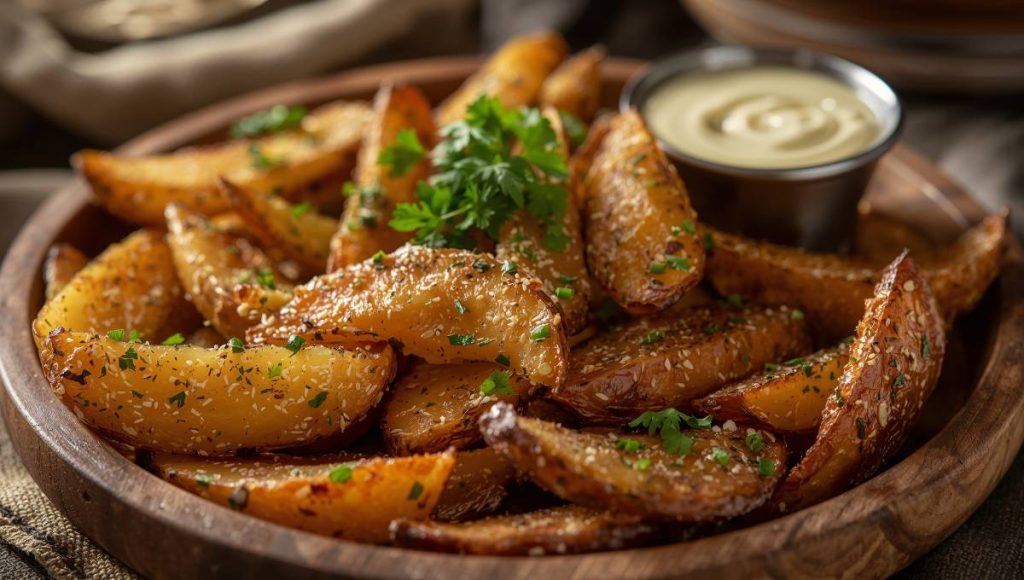
Greek lemon potatoes are a familiar preparation in which potato wedges are roasted with olive oil, lemon juice, garlic, oregano, and liquid such as water or broth.
The potatoes absorb the seasoned liquid as they cook.
As moisture evaporates, exposed surfaces can develop golden edges.
The finished potatoes are tender inside, with a bright lemon flavor and aromatic herbs.
Unlike plain roasted potatoes, this preparation emphasizes the relationship between liquid absorption and roasting.
United States: Mashed Potatoes, Baked Potatoes, and Potato Salad
Potatoes are widely used throughout American cooking.
Some preparations developed from European culinary influences, while others became particularly associated with American restaurants, holidays, and regional food traditions.
Mashed Potatoes
Mashed potatoes are commonly prepared with butter, milk, or cream.
Russet potatoes tend to produce a fluffy texture, while Yukon Gold potatoes offer a naturally creamy consistency.
Avoiding excessive mixing helps prevent a gluey result.
Baked Potatoes
Large baking potatoes, particularly Russets, are commonly baked until the skins become dry and the interiors turn fluffy.
They can be served with butter, sour cream, chives, cheese, or vegetable toppings.
American Potato Salad
American potato salad commonly combines cooked potatoes with mayonnaise, mustard, celery, onions, or pickles.
Recipes vary significantly between households and regions.
Waxy or all-purpose potatoes are often selected because they maintain their structure when mixed with dressing.
Why Potato Varieties Matter Across Different Cooking Traditions
Although potatoes are used worldwide, the variety selected can strongly influence the finished dish.
Potatoes differ in starch content, moisture, and texture.
Starchy Potatoes
Russet potatoes contain relatively high levels of starch.
They are particularly suitable for fluffy mashed potatoes, baked potatoes, and certain fried preparations.
Waxy Potatoes
Red potatoes and many small new potatoes have a firmer texture and generally hold their shape well.
They are useful for potato salads, soups, and dishes requiring intact slices.
All-Purpose Potatoes
Yukon Gold potatoes fall between the two categories.
They can work well for roasting, mashing, boiling, and gratins.
Understanding these differences makes it easier to adapt potato dishes from different cuisines.
What Can We Learn from the World’s Potato Dishes?
Looking at potato cooking traditions reveals several recurring techniques.
Boiling creates tender potatoes that can be sliced, mashed, or combined with sauces.
Frying develops crisp surfaces, as seen in potato pancakes, croquettes, and patatas bravas.
Roasting concentrates flavor and can produce browned edges.
Simmering allows potatoes to absorb the seasonings of broths, sauces, and stews.
Baking can create creamy layered dishes or fluffy whole potatoes.
The differences often come from the ingredients surrounding the potatoes: olive oil and lemon in Greece, cumin and turmeric in India, soy sauce in Korea, or butter and cream in France.
Explore More Potato Cooking at Let’s Veg
If these international dishes inspire you to cook more potatoes, start with a simple preparation that allows the vegetable’s flavor and texture to stand out.
Roasted potatoes are especially useful because the method can be adapted with different herbs and seasonings.
Try combining potatoes with carrots, garlic, and rosemary for a familiar oven-roasted side dish.
You can also experiment with smaller potatoes, olive oil, and fresh herbs.
Once you understand the basic techniques, it becomes easier to explore potato dishes from other culinary traditions while respecting the ingredients and methods that make each preparation distinctive.
From the highlands of the Andes to kitchens across Europe and Asia, potatoes have become part of remarkably different food traditions. Their versatility lies not in one particular recipe, but in how each culture has found its own way to prepare them.
Start with the Vegetable Cooking Guide:
https://www.letsveg.com/vegetable-cooking-guide