

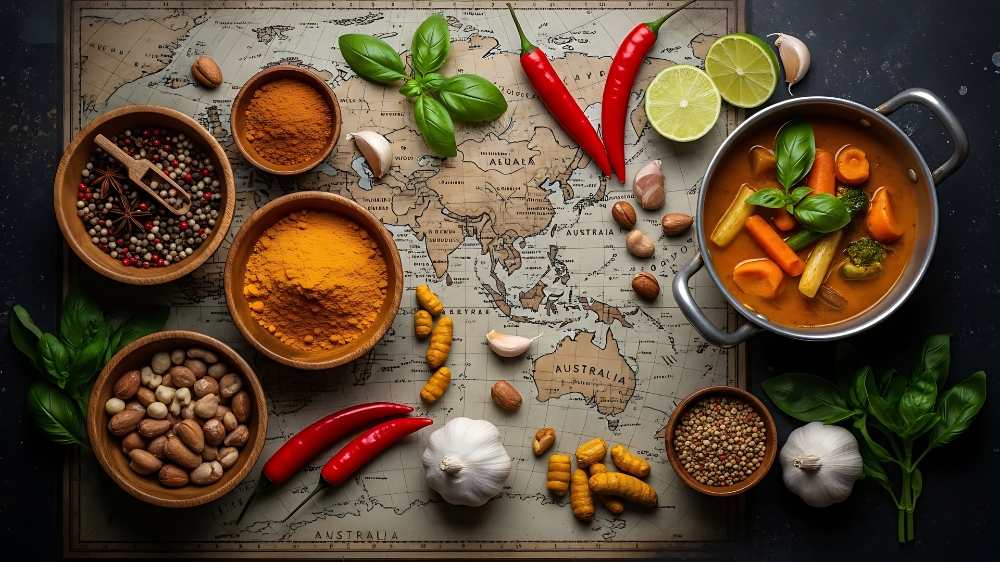

Some meals do much more than satisfy hunger.
Throughout history, simple dishes have fed armies, sustained explorers, crossed continents, and helped entire civilizations survive. Many of the foods we enjoy today were not created to become famous. They were born from necessity, using local ingredients and practical cooking methods.
Over time, these humble meals became part of national identities and cultural traditions, connecting generations through the simple act of sharing food.
At Let’s Veg, every recipe has a story, and some recipes have helped shape history itself.
Food Has Always Been Part of History
When people study history, they often think about kings, queens, wars, and great discoveries.
But behind every chapter of history was food.
Farmers needed meals that gave them energy for long days in the fields. Travelers needed food that could survive long journeys. Families created recipes that stretched simple ingredients into filling meals.
Without food, history would have unfolded very differently.
Recipes That Tell Remarkable Stories
Many traditional recipes have fascinating histories that make them even more enjoyable to eat.
Story Spotlight: Mujadara
One of the World’s Oldest Comfort Foods
Long before modern cookbooks existed, people in the Middle East were combining rice and lentils into a simple, nourishing meal known as Mujadara. Historical references date back hundreds of years, and some historians believe versions of the dish may be even older. What began as an affordable meal for ordinary families has survived through generations and is still enjoyed around the world today.
Read the full history and recipe on Let’s Veg.
Story Spotlight: Paella
From Farmers’ Fields to a National Symbol
Paella did not begin in a famous restaurant. It was first cooked by farmers near Valencia, Spain, using rice, vegetables, beans, and whatever fresh ingredients they had after working in the fields. Today, it is recognized as one of Spain’s most famous dishes, proving that humble beginnings can create legendary meals.
Read the full history and recipe on Let’s Veg.
Story Spotlight: Kimchi
The Dish That Helped Families Survive Winter
For centuries, Korean families prepared kimchi to preserve vegetables before the long winter months. More than a side dish, kimchi became a symbol of family, tradition, and resilience. Today it is one of Korea’s most recognized foods and continues to be enjoyed around the world.
Read the full history and recipe on Let’s Veg.
Story Spotlight: Fettuccine Alfredo
A Simple Meal Created Out of Love
Fettuccine Alfredo was created in Rome by Alfredo di Lelio, who wanted to prepare a nourishing meal for his wife after she had given birth. His simple combination of fresh pasta, butter, and Parmesan cheese became so popular that it spread far beyond Italy and became one of the world’s best-known pasta dishes.
Read the full history and recipe on Let’s Veg.
Story Spotlight: Basbousa
A Dessert That Traveled Through Empires
Made with semolina and sweet syrup, Basbousa has delighted people for centuries. Variations of this beloved dessert spread across the Middle East, North Africa, and the Balkans, carried by trade routes and the influence of great empires. Every slice tells a story of cultural exchange and celebration.
Read the full history and recipe on Let’s Veg.
Story Spotlight: Imam Bayıldı
The Eggplant Dish with a Legendary Name
According to a famous Ottoman legend, an imam fainted after tasting this rich eggplant dish or perhaps after learning how much expensive olive oil had been used to prepare it. Whether fact or folklore, the story has made Imam Bayıldı one of the most memorable vegetable recipes in history.
Read the full history and recipe on Let’s Veg.
Food Traveled Across Empires
Recipes rarely stayed in one place.
As merchants, explorers, and travelers moved across continents, they carried ingredients and cooking traditions with them.
Spices from Asia reached Europe. Tomatoes from the Americas transformed Italian cooking. Rice spread across continents and became a staple in countless cultures.
Food became one of history’s greatest travelers, connecting people long before modern transportation existed.
Simple Meals Built Great Civilizations
Many of history’s most important meals were surprisingly simple.
Rice, bread, beans, lentils, vegetables, and soups became the foundation of countless societies because they were affordable, nourishing, and easy to prepare.
These ingredients helped feed growing cities, supported trade, and made it possible for communities to thrive.
Sometimes the simplest meals leave the greatest legacy.
Every Recipe Reflects Its Culture
Traditional recipes reveal more than flavors.
They tell us about:
- local ingredients
- climate
- geography
- family traditions
- celebrations
- everyday life
A simple bowl of soup or a traditional dessert can teach us as much about a culture as a history book.
Why These Stories Matter
Learning the story behind a recipe changes the way we experience it.
A meal becomes more than a list of ingredients. It becomes a connection to the people who first prepared it, the communities that preserved it, and the generations that passed it forward.
That knowledge makes every bite a little more meaningful.
The Let’s Veg Way
At Let’s Veg, recipes are not just instructions.
They are pieces of history that continue to bring people together.
Our videos focus on the stories behind the food because understanding where a recipe came from helps us appreciate it even more.
Every dish carries a history, and every meal has the power to connect us with another place, another culture, and another time.
History is not only written in books. It is also written in kitchens, passed from one generation to the next through recipes that have survived for centuries.
The next time you prepare a traditional meal, remember that you may be recreating a dish enjoyed by farmers, travelers, royalty, or entire civilizations long before it reached your table.
At Let’s Veg, the belief is simple when you know the story behind a meal, you don’t just eat it. You become part of its history.
Start with the Vegetable Cooking Guide:
https://www.letsveg.com/vegetable-cooking-guide