

Brown Rice vs. White Rice
Walk down the rice aisle and you may feel as though you’re being asked to make a health decision.
Brown rice is often presented as the healthy choice.
White rice is sometimes treated as the one you’re supposed to avoid.
But is it really that simple?
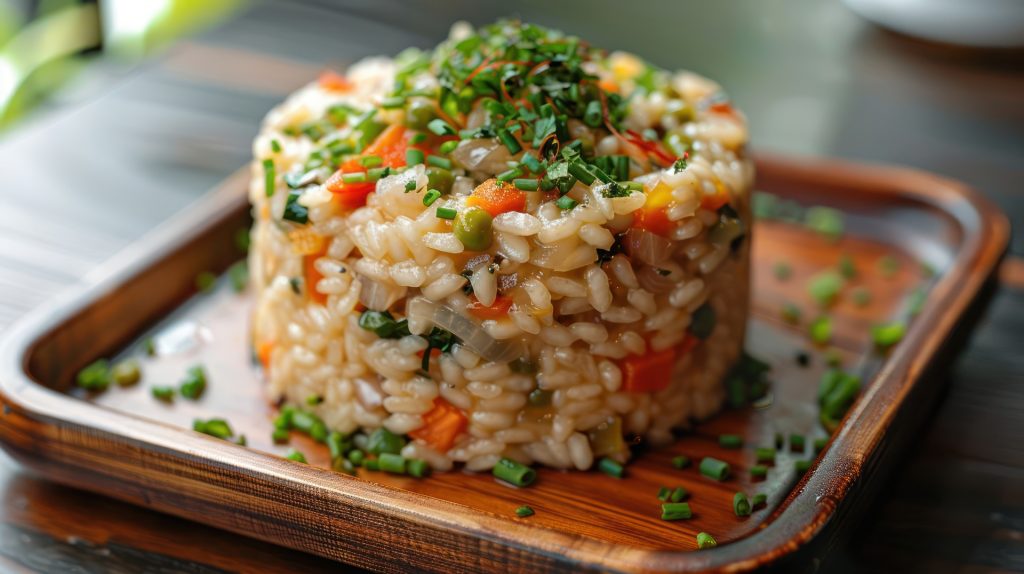
Rice has fed people for thousands of years and remains a staple for billions of people around the world. From Indian curries and Middle Eastern rice dishes to Asian stir-fries, Latin American rice and beans, and Mediterranean stuffed vegetables, rice is one of the most versatile foods ever cultivated.
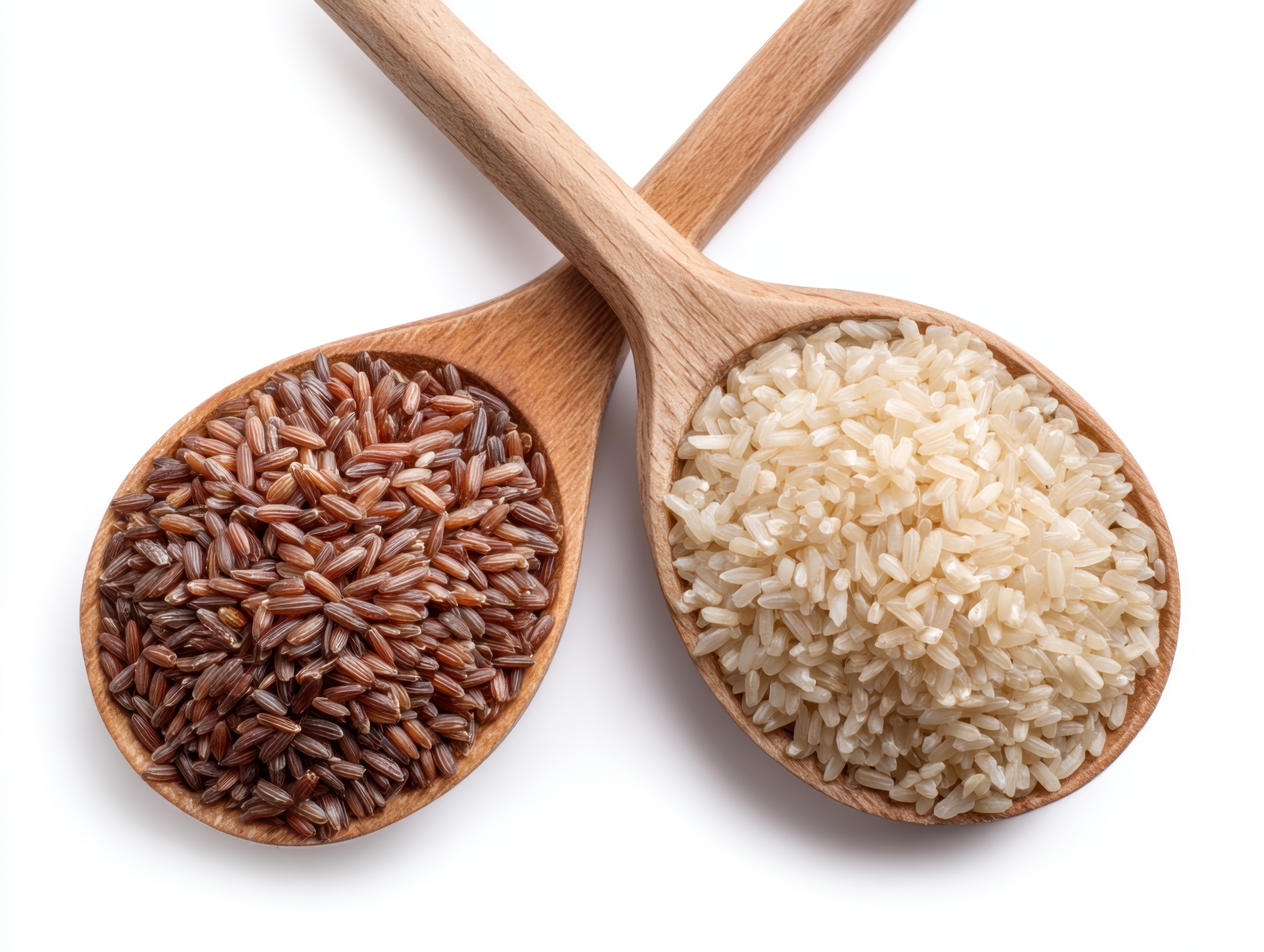
Brown and white rice actually begin as the same grain.
What happens after harvest creates the difference.
So rather than declaring a winner, let’s understand what each one brings to the table.
Brown and White Rice Start in the Same Place
This surprises some people.
Brown rice isn’t a completely different type of rice from white rice.
After the inedible outer hull is removed, the grain can remain with its bran and germ layers intact. That’s brown rice.
To produce white rice, the grain is processed further, removing the bran and germ.
That extra processing changes the rice’s appearance, texture, cooking characteristics, storage properties, and nutritional profile.
One grain.
Two very different kitchen ingredients.
What Does Brown Rice Offer?
Because brown rice retains its bran and germ, it generally contains more fiber than comparable white rice and retains naturally occurring nutrients found in those parts of the grain.
It has a firmer, chewier texture and a slightly nutty flavor.
That flavor can work particularly well in:
- grain bowls
- vegetable salads
- stuffed vegetables
- bean dishes
- hearty vegetable meals
Brown rice can make a meal feel substantial and rustic.
But nutrition isn’t the only consideration when choosing rice.
What Does White Rice Offer?
White rice has had the bran and germ removed, producing the softer texture most people immediately associate with rice.
In the United States, many varieties of white rice are enriched with certain nutrients after milling.
White rice generally cooks faster than brown rice and its mild flavor makes it remarkably adaptable.
That’s one reason it appears in so many cuisines.
White rice can absorb the flavor of curries, sauces, vegetables, beans, herbs, and spices without competing with them.
Sometimes being neutral is exactly what a meal needs.
What About Fiber?
This is one area where brown rice has a clear nutritional difference.
Because the bran remains, brown rice generally provides more dietary fiber than white rice.
Fiber is an important part of a balanced diet, and whole grains can help contribute to daily fiber intake.
But we shouldn’t judge an entire meal by the rice alone.
Imagine white rice served with lentils, chickpeas, beans, and vegetables.
That meal can contain plenty of fiber from the other ingredients.
Nutrition is about the whole plate not one ingredient in isolation.
Does Brown Rice Always Mean a Healthier Meal?
Not necessarily.
Consider two plates.
One contains brown rice with very few vegetables and a heavy sauce.
The other contains white rice surrounded by beans, lentils, vegetables, herbs, and a fresh salad.
Which is the “healthy meal”?
The answer can’t be determined simply by looking at the color of the rice.
What you eat with your rice matters enormously.
That’s something that can get lost when individual foods are labeled simply “good” or “bad.”
White Rice Has Fed Cultures for Generations
It’s also worth remembering the cultural importance of white rice.
Across large parts of Asia, Latin America, the Middle East, Africa, the Caribbean, and elsewhere, white rice is deeply connected to traditional meals.
It isn’t merely an empty ingredient sitting beside dinner.
It is part of dishes, celebrations, family traditions, and everyday life.
Rice accompanies curries.
It absorbs sauces.
It fills stuffed vegetables.
It becomes fried rice.
It becomes rice pudding.
Food is nutrition, but food is also culture.
We shouldn’t forget one while discussing the other.
The Flavor Difference Matters
Brown rice has a more noticeable flavor.
White rice is generally milder.
Neither characteristic is automatically better.
Imagine serving a delicate vegetable curry. You may prefer white rice because it allows the sauce and spices to dominate.
Now imagine a roasted vegetable grain bowl. The nutty flavor and chewy texture of brown rice may make the dish more interesting.
Good cooking isn’t always about choosing the ingredient with the longest nutritional résumé.
It’s about choosing the ingredient that works with the meal you’re making.
Brown Rice Takes More Time
There’s also everyday life to consider.
Brown rice usually requires more cooking time than white rice because the bran layer remains.
For someone preparing dinner after a long day, that difference can matter.
If white rice means you’ll prepare vegetables, beans, and rice at home instead of skipping cooking altogether, that’s worth considering.
Healthy eating has to work in the real world.
What About Storage?
Here’s another difference people don’t always consider.
The natural oils present in the bran and germ mean brown rice generally has a shorter shelf life than white rice.
White rice, when properly stored dry, can remain usable considerably longer.
For someone who eats rice frequently, that may not matter.
For someone who only prepares it occasionally, storage can become part of the decision.
Can You Eat Both?
Absolutely.
Your kitchen doesn’t need to join Team Brown Rice or Team White Rice.
Keep both if you enjoy both.
Use brown rice for a hearty grain bowl.
Use white rice with a curry.
Make rice and beans.
Add either one to vegetables.
Use yesterday’s properly refrigerated rice for fried rice.
Cooking becomes much more enjoyable when food stops being a competition.
The Let’s Veg Way
At Let’s Veg, we don’t believe everyday foods need to be divided into winners and losers.
Brown rice offers whole-grain benefits, additional fiber, a chewy texture, and a nutty flavor.
White rice offers versatility, faster cooking, a softer texture, longer dry storage, and an important place in cuisines around the world.
The better question isn’t:
Which rice wins?
It’s:
Which rice works for the meal you’re making?
Then add vegetables.
Add beans or lentils.
Add herbs and spices.
Create a plate you actually enjoy eating.
That’s much more useful than worrying about whether your rice is brown or white.
So, is brown rice better than white rice?
They are different.
Brown rice retains more of the original grain and generally provides more fiber.
White rice is softer, faster to prepare, stores well, and has been at the center of traditional meals around the world for generations.
You don’t have to eliminate one to appreciate the other.
Choose according to your meal, your preferences, and your overall eating pattern.
Because a good meal isn’t defined by the color of the rice.
It’s defined by everything you bring to the table.
Cook Simple • Eat Together