

Does Fresh Always Beat Frozen?
Walk through the produce section of almost any supermarket and it is easy to assume that fresh vegetables are always the best choice.
Fresh looks better. It feels more natural. And for many recipes, nothing compares with a ripe tomato, crisp cucumber, or freshly picked bunch of herbs.
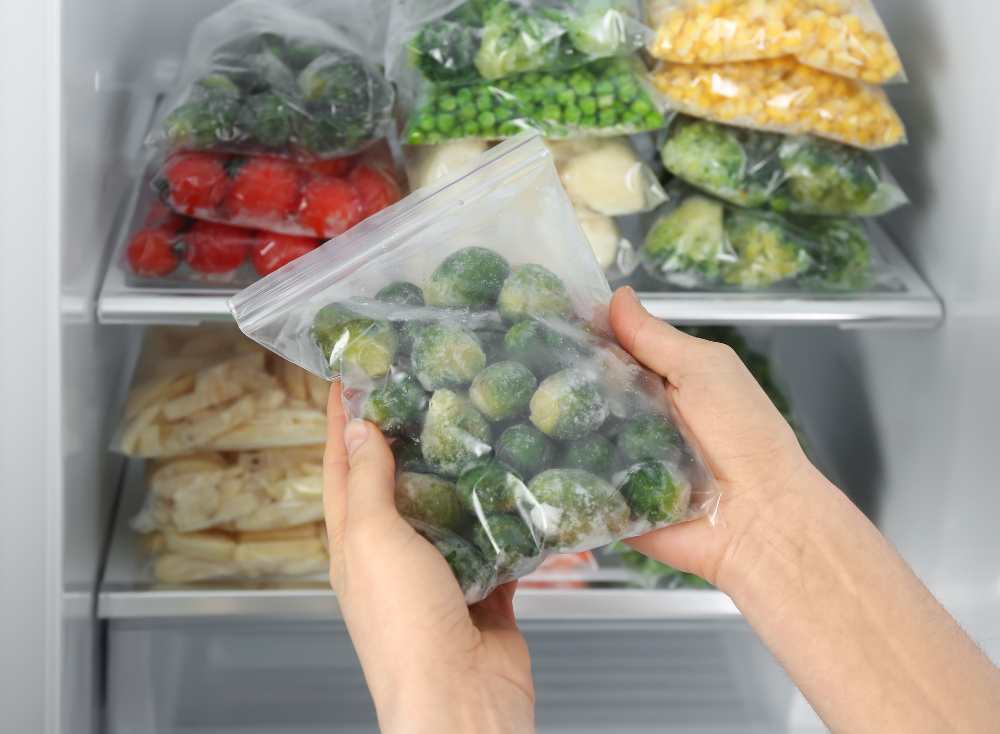
But walk a few aisles over to the freezer and you will find peas, spinach, broccoli, corn, green beans, cauliflower, and dozens of other vegetables ready to cook.
So does fresh always beat frozen?
Not necessarily.
Fresh and frozen vegetables each have advantages, and understanding when to use them can save money, reduce food waste, and make everyday cooking much easier.
Frozen Doesn’t Mean “Bad”
Frozen vegetables sometimes get treated as a second choice something you buy only when fresh isn’t available.
That’s an outdated way of looking at them.
Many vegetables intended for freezing are harvested when mature, prepared, and frozen relatively quickly. Freezing slows the deterioration that naturally begins after vegetables are harvested.
Fresh vegetables, meanwhile, may spend time being transported, stored, displayed at the supermarket, taken home, and then sitting in the refrigerator before they are finally eaten.
“Fresh” doesn’t necessarily mean “picked yesterday.”
What About Nutrition?
This is where things become interesting.
Fresh vegetables are nutritious, but freezing does not suddenly remove everything valuable from a vegetable.
Research comparing fresh and frozen produce has found that frozen fruits and vegetables can retain nutrients well, although the exact amounts vary by vegetable, nutrient, processing method, storage time, and cooking method.
Some nutrients can decline during the blanching process commonly used before freezing. Others remain relatively stable.
The practical lesson is much simpler:
You don’t need to avoid frozen vegetables because you believe they have little nutritional value.
Both fresh and frozen vegetables can be part of a healthy diet.
When Fresh Really Is Better
There are times when fresh vegetables clearly make more sense.
Think about a Greek salad.
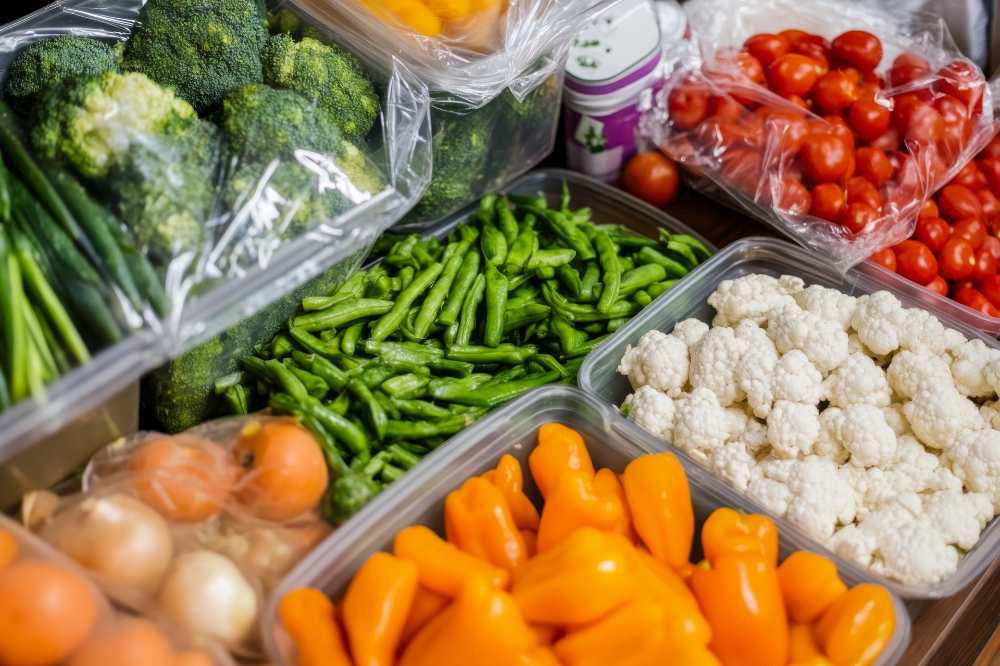
You want crisp cucumber, juicy tomato, fresh peppers, and herbs. Frozen versions simply wouldn’t produce the same texture.
Fresh vegetables are particularly useful when texture and appearance are central to the dish, such as:
- salads
- sandwiches
- fresh salsa
- crudités
- garnishes
- lightly cooked vegetable dishes
When the vegetable itself is the star, fresh can be difficult to beat.
When Frozen Can Be the Better Choice
Now imagine making vegetable soup on a busy Tuesday night.
Do you really need to wash, peel, trim, and chop six different fresh vegetables?
Probably not.
Frozen vegetables work beautifully in many:
- soups
- stews
- casseroles
- curries
- pasta dishes
- stir-fries
- rice dishes
They are already cleaned and prepared, which can turn a complicated dinner into something you can actually cook.
And that matters.
The healthiest vegetable in the world isn’t particularly useful if it sits forgotten in your refrigerator until you throw it away.
Frozen Vegetables Can Save Money
Fresh produce can become expensive when part of what you buy ends up in the garbage.
Suppose you buy broccoli for one recipe but only use half of it.
The remaining broccoli slowly turns yellow in the refrigerator and eventually gets thrown away.
Frozen broccoli lets you take exactly what you need and return the rest to the freezer.
For people cooking for one or two, this can be especially useful.
You aren’t necessarily paying for vegetables you never eat.
Frozen Vegetables Make Cooking Easier
Convenience matters more than people sometimes admit.
After a long day, washing and chopping several vegetables may be enough to convince someone not to cook at all.
Opening the freezer and grabbing peas, corn, spinach, or broccoli removes part of that work.
A bag of frozen vegetables can quickly become part of:
- fried rice
- pasta
- soup
- an omelet
- a grain bowl
- a simple side dish
Keeping a few varieties in the freezer is almost like having a small vegetable pantry that doesn’t spoil after a few days.
You Don’t Have to Choose a Side
The fresh-versus-frozen debate creates a competition that doesn’t really need to exist.
A practical kitchen can use both.
Buy fresh tomatoes for salads.
Keep frozen peas for quick dinners.
Use fresh zucchini when it looks great at the supermarket.
Keep frozen spinach available for soups, pasta, eggs, and casseroles.
Cooking becomes easier when you choose ingredients based on the meal you’re making rather than believing one form is always superior.
The Let’s Veg Way
At Let’s Veg, we believe vegetables should fit into real life.
Sometimes that means beautiful fresh vegetables from the produce section.
Sometimes it means opening the freezer at 7:00 at night and discovering you already have broccoli, peas, and spinach waiting for you.
Both can lead to a good meal.
The important thing isn’t whether your vegetables came from the produce aisle or the freezer aisle.
It’s that they made it onto the table.
So, does fresh always beat frozen?
No.
Fresh vegetables can offer wonderful flavor, texture, and variety, particularly when they are in season and used soon after purchase. Frozen vegetables offer convenience, long storage, less preparation, and an easy way to keep vegetables available at all times.
A good kitchen doesn’t need to choose between them.
Use fresh when fresh makes the meal better.
Use frozen when frozen makes cooking easier.
And most importantly, keep cooking vegetables.
Cook Simple • Eat Together
Start with the Vegetable Cooking Guide:
https://www.letsveg.com/vegetable-cooking-guide