

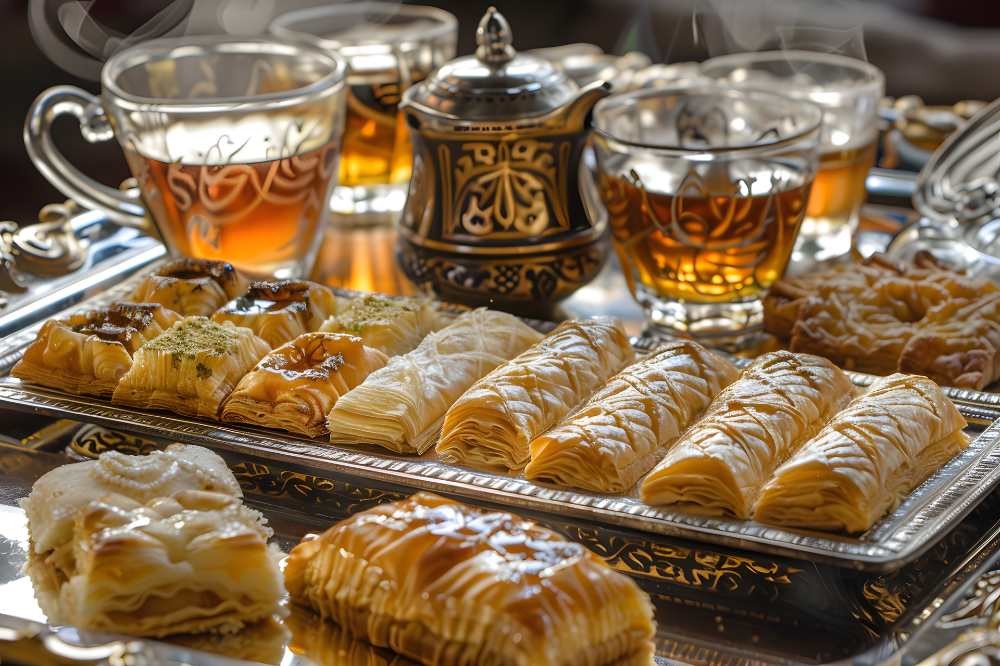
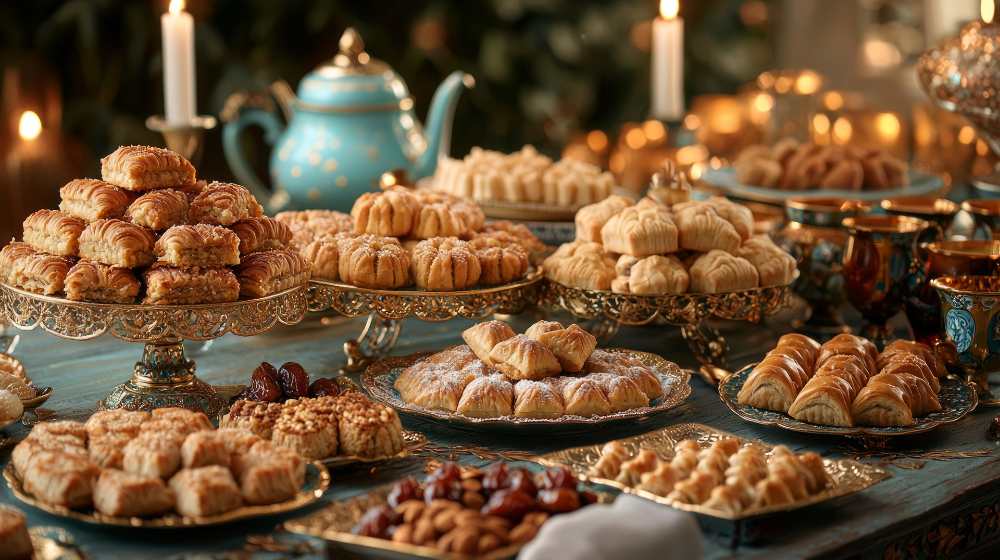
Desserts Once Served to Kings and Empires
Long before desserts filled bakery windows and supermarket shelves, many sweets were rare luxuries reserved for royalty, wealthy merchants, and powerful empires.
Sugar itself was once expensive and difficult to obtain. Ingredients such as honey, nuts, spices, dried fruits, and imported flavors traveled along trade routes connecting distant civilizations. A dessert was often more than a treat. It was a symbol of wealth, celebration, hospitality, and power.
Some of the sweets we enjoy today were once served in royal courts, imperial palaces, and grand celebrations centuries ago.
At Let’s Veg, every dessert tells a story, and some of those stories are surprisingly royal.
The Cost of Sweetness
For much of history, sweet ingredients were precious.
Honey was carefully collected, dried fruits were preserved for special occasions, and sugar was considered a luxury item in many parts of the world.
Serving dessert was often a way for rulers and noble families to display prosperity and generosity to their guests.
What feels ordinary today was once considered extraordinary.
Desserts Traveled with Empires
As trade expanded, desserts began to travel across continents.
Spices moved from Asia to Europe. Almonds spread through Mediterranean kitchens. Sugar production expanded through trade networks and empires.
Recipes evolved as cultures exchanged ingredients and cooking techniques.
Many famous desserts are actually the result of centuries of travel, trade, and cultural exchange.
Basbousa and the Royal Tables of the Middle East
The story of semolina cakes sweetened with syrup stretches back hundreds of years through medieval Islamic kitchens and later through the Ottoman Empire.
What began as a simple dessert eventually became a favorite throughout the Middle East, North Africa, and beyond.
Today it remains one of the region’s most beloved sweets.
Halva and the Dessert of Empires
Few desserts traveled further than halva.
Versions of this sweet appeared in Persia, the Ottoman Empire, India, Eastern Europe, and the Mediterranean.
Different cultures created their own versions using sesame, nuts, flour, or semolina, but the idea remained the same: create something sweet from simple ingredients.
Its popularity across empires helped make it one of history’s great desserts.
Mahalabia and Ancient Luxury
Creamy milk puddings flavored with rose water and spices have been enjoyed for over a thousand years.
These elegant desserts often appeared in royal kitchens and celebrations where imported spices and fragrant ingredients were prized.
Simple in appearance, they carried remarkable sophistication for their time.
The Story Behind the Sweetness
Many desserts tell us more than recipes ever could.
They reveal:
- trade routes
- agricultural history
- cultural exchange
- religious celebrations
- royal traditions
A single dessert can tell the story of an empire, a migration, or an entire civilization.
Why These Stories Matter
Most people can learn how to make a dessert in a few minutes.
What is often forgotten is why the dessert exists in the first place.
Knowing that a recipe once crossed continents, fed royal courts, or survived for centuries makes the experience richer and more memorable.
Food becomes more interesting when we understand the people and history behind it.
The Let’s Veg Way
At Let’s Veg, recipes are more than instructions.
They are stories passed from one generation to another, from one country to another, and sometimes from one empire to another.
That history deserves to be remembered alongside the food itself.
The next time you enjoy a traditional dessert, remember that it may have once appeared in a palace, traveled along ancient trade routes, or been prepared for kings and emperors centuries ago.
The ingredients may be simple, but the stories behind them are often extraordinary.
At Let’s Veg, the belief is simple food tastes even better when you know the story behind it.
Explore hundreds of vegetable recipes at LetsVeg.com
https://www.letsveg.com