

Dal Makhani is one of the most recognizable dishes in Punjabi cooking. Its rich texture, deep color, and gently spiced flavor distinguish it from many other Indian lentil preparations.
The foundation of the dish is whole black gram, commonly called sabut urad. Despite its dark outer skin, the inside of each bean is pale and becomes soft and creamy when cooked thoroughly.
Red kidney beans are added in smaller quantities. They contribute a slightly firmer texture and a mild, earthy flavor that complements the black gram.
Unlike lentil dishes that rely on strong spices or a thick tomato sauce, Dal Makhani develops much of its character through slow simmering. As the cooked lentils soften, they release starch into the cooking liquid, creating a thick, velvety consistency.
Butter and cream provide the richness suggested by the dish’s name. They soften the acidity of the tomatoes and help bring the spices together without overpowering the natural flavor of the lentils.
Ginger, garlic, cumin, and garam masala create the aromatic foundation. Kashmiri red chili powder adds color and gentle warmth without making the dish excessively spicy.
An important part of preparing Dal Makhani is allowing the cooked lentils to simmer with the tomato mixture after pressure cooking. This additional cooking time helps the flavors combine and gives the dish its characteristic creamy texture.
Some restaurant versions are cooked for several hours and finished with a smoky aroma. This recipe focuses on a practical homemade preparation while retaining the essential ingredients and flavors.
Dal Makhani is traditionally served with naan, roti, or steamed basmati rice. It is especially suitable for family dinners, festive meals, and occasions when a comforting Indian dish is desired.
Start with the Vegetable Cooking Guide:
https://www.letsveg.com/vegetable-cooking-guide
Video
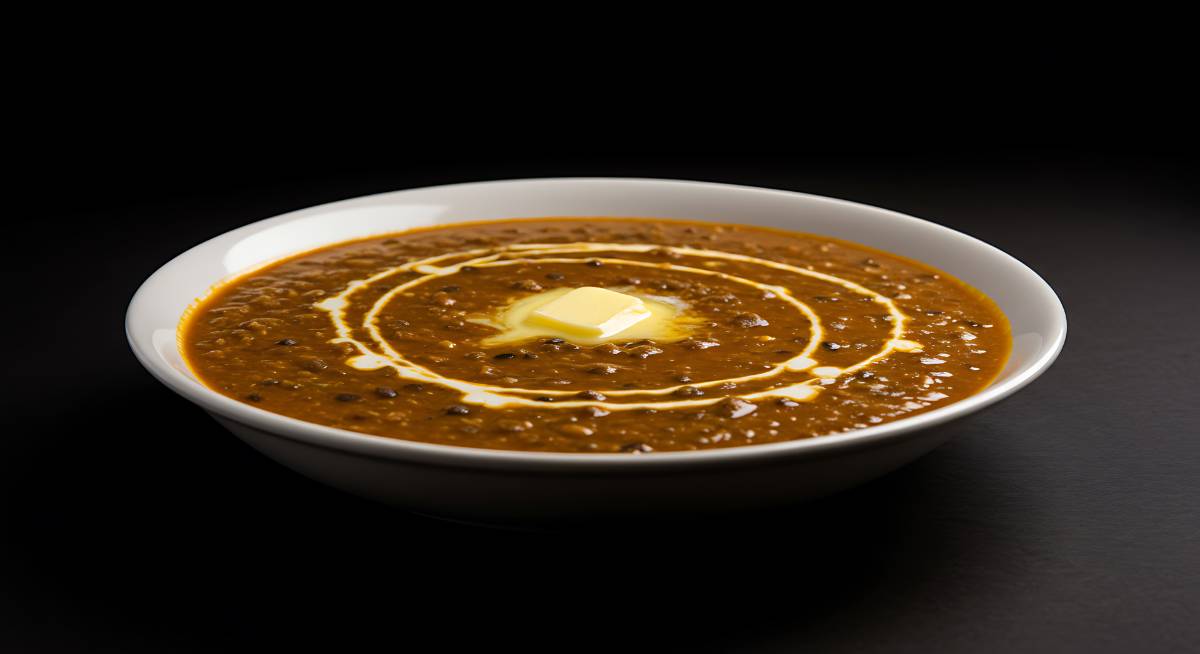
Creamy Dal Makhani with Black Lentils and Kidney Beans
Ingredients

Equipment


Cooking Instructions
- Place the dried black gram and kidney beans in a large bowl. Remove any small stones, damaged beans, or other debris.
- Rinse the lentils and beans thoroughly under cold running water until the water becomes mostly clear.
- Cover them with plenty of fresh water, allowing several inches of water above the beans because they will expand during soaking.
- Leave the lentils and kidney beans to soak for approximately 8 hours or overnight in the refrigerator.
- After soaking, drain the water and rinse the lentils and beans again.
- Transfer the soaked black gram and kidney beans to a pressure cooker.
- Add 4 cups of fresh water and ½ teaspoon salt.
- Secure the lid and cook under high pressure for approximately 35-40 minutes, depending on the pressure cooker and the age of the dried beans.
- Allow the pressure to release naturally for approximately 15-20 minutes before carefully opening the cooker according to the manufacturer's instructions.
- Check the lentils and kidney beans. Both should be very soft, and the kidney beans should mash easily when pressed with a spoon. If they remain firm, continue pressure cooking until completely tender.
- Reserve the cooking liquid because it contains starch that contributes to the creamy texture of the finished Dal Makhani.
- Using a potato masher or the back of a large spoon, gently mash a small portion of the cooked black gram directly in the pot. Leave most of the lentils and kidney beans whole.
- Place a large heavy-bottomed saucepan over medium heat.
- Add 2 tablespoons of butter and 1 tablespoon of neutral cooking oil.
- Once the butter has melted, add the cumin seeds and cook for approximately 20–30 seconds, until fragrant.
- Add the finely chopped onion and sauté for approximately 5-6 minutes, stirring occasionally, until softened and lightly golden.
- Stir in the minced garlic and grated ginger.
- Continue cooking for approximately 1 minute, until the garlic and ginger become fragrant.
- Add the Kashmiri red chili powder, turmeric, and ground coriander.
- Stir the spices into the onion mixture for approximately 20 seconds, taking care not to burn them.
- Pour in the tomato purée and mix thoroughly.
- Reduce the heat to medium-low and cook the tomato mixture for approximately 8–10 minutes, stirring occasionally, until it thickens and the raw tomato aroma diminishes.
- Add the cooked black gram and kidney beans to the saucepan along with approximately 1½ cups of their reserved cooking liquid.
- Stir gently until the lentils and tomato mixture are evenly combined.
- Add the remaining ½ teaspoon salt and mix well.
- Bring the mixture to a gentle simmer, then reduce the heat to low.
- Cover the saucepan partially and allow the Dal Makhani to simmer for approximately 20-25 minutes, stirring frequently to prevent the lentils from sticking to the bottom.
- As the mixture thickens, add small amounts of the remaining lentil cooking liquid or hot water. The consistency should remain creamy and spoonable rather than becoming stiff.
- Occasionally press a few lentils against the side of the saucepan with a spoon. This helps release additional starch and creates a smoother texture.
- Add the remaining 2 tablespoons of butter and stir until completely melted.
- Pour in the heavy cream and mix gently until incorporated.
- Crush the dried fenugreek leaves between your palms and sprinkle them into the saucepan.
- Add the garam masala and stir thoroughly.
- Continue simmering over low heat for approximately 5 minutes, allowing the butter, cream, and spices to blend into the lentils.
- Taste the Dal Makhani and adjust the salt or chili powder if necessary.
- If the mixture becomes too thick, add a little hot water and stir until the desired consistency is reached.
- Remove the saucepan from the heat and allow the Dal Makhani to rest for approximately 5 minutes.
- Transfer the Dal Makhani to a warm serving bowl.
- Drizzle the remaining heavy cream over the surface and garnish with chopped fresh cilantro.
- Add a small piece of butter in the center if desired.
- Serve warm with steamed basmati rice, naan, or roti.
Nutrition
Notes
Soak the beans before cooking: Soaking black gram and kidney beans overnight helps them cook more evenly. Dried kidney beans must be cooked thoroughly because raw or undercooked kidney beans contain a naturally occurring toxin. Use a pressure cooker or boil kidney beans vigorously for at least 10 minutes before any extended gentle simmering. Do not cook dried kidney beans solely in a slow cooker.
Keep the lentil cooking liquid: The liquid remaining after pressure cooking contains starch released by the black gram. Adding it to the tomato mixture helps create the characteristic creamy consistency without requiring excessive cream.
Allow time for simmering: Pressure cooking softens the lentils, but simmering them with tomatoes and spices develops the finished flavor. Stir frequently during the final cooking stage because thick lentil mixtures can stick to the bottom of the saucepan.
Use kasuri methi sparingly: Dried fenugreek leaves provide a distinctive aroma commonly found in North Indian restaurant dishes. Crush them between your palms before adding them near the end of cooking. Too much can introduce an unpleasant bitterness.
-Storage and reheating: Refrigerate leftover Dal Makhani promptly in an airtight container for up to 3-4 days. The mixture will thicken as it cools. Reheat gently in a saucepan with a splash of water, stirring until thoroughly heated. Dal Makhani can also be frozen for up to 2 months.