

How Bread Became Part of Everyday Life Around the World
Few foods appear across cultures as often as bread.
From flatbreads cooked over open fire to loaves baked slowly in ovens, bread has been part of daily life for thousands of years. Almost every culture developed its own version using whatever grains and methods were available.
Bread became important because it was simple, practical, and filling. It could stretch meals further, feed families affordably, and be shared easily around the table.
At Let’s Veg, bread represents one of the oldest examples of simple food bringing people together.
Bread Started with Basic Ingredients
At its core, bread was built from only a few things:
- grain
- water
- time
- heat
That simplicity made it accessible to almost everyone.
People used the grains available in their region:
- wheat
- barley
- corn
- rye
- millet
Over time, every culture shaped bread differently, but the purpose stayed similar create food that was reliable, filling, and easy to share.
.
Bread Made Meals Larger
For generations, bread helped families stretch ingredients further.
A small amount of soup, vegetables, beans, or stew could feed more people when served with bread.
Bread became:
- a side dish
- a utensil
- part of the meal itself
In many cultures, meals were built around bread because it made food more satisfying and practical.
Bread Was Meant to Be Shared
Bread naturally creates a shared experience.
People:
- pass bread around the table
- tear pieces by hand
- dip it into soup or sauces
- eat together from common dishes
This made bread part of family and community life for centuries.
Simple meals became more complete when bread was present.
Bread Connected to Routine
In many homes, bread was made regularly sometimes daily.
The smell of bread baking became connected to:
- mornings
- family gatherings
- holidays
- ordinary evenings at home
Because it appeared so often, bread became part of memory and comfort.
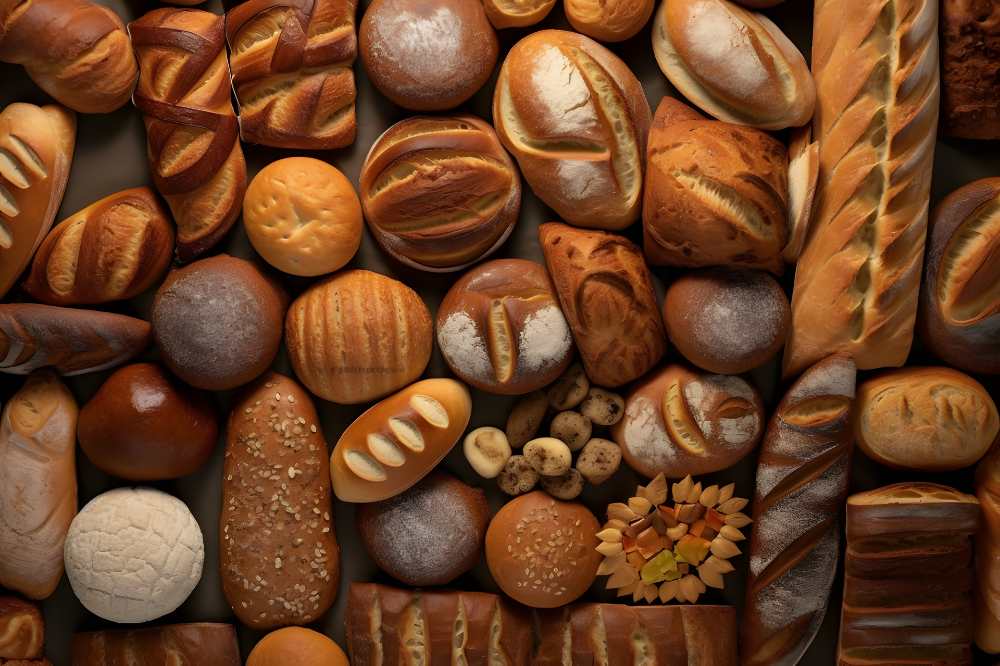
Every Culture Built Its Own Bread
One reason bread became universal is because it adapted easily to different regions and traditions.
Examples include:
- pita in the Middle East
- focaccia in Italy
- tortillas in Latin America
- naan in South Asia
- baguettes in France
- flatbreads across Africa and Central Asia
Different styles, same idea:
simple food made to support everyday meals.
Bread Represents Simplicity
Modern food culture often focuses on complexity, but bread reminds people that some of the most important foods are also the simplest.
Bread does not need:
- complicated presentation
- expensive ingredients
- perfect preparation
Even basic bread can feel comforting because it is connected to routine, familiarity, and shared meals.
The Let’s Veg Way
At Let’s Veg, bread represents the idea that simple foods often matter the most.
A piece of bread with soup, vegetables, olive oil, or a simple meal can still create comfort and connection without needing anything elaborate.
That simplicity is part of what makes traditional food feel timeless.
Bread became the center of so many meals because it was practical, affordable, filling, and easy to share. Across generations and cultures, it helped turn simple ingredients into meaningful meals.
Even today, bread continues to represent comfort, routine, and the importance of gathering around food together.
At Let’s Veg, the belief is simple some of the most meaningful foods are also the most basic.
Start with the Vegetable Cooking Guide:
https://www.letsveg.com/vegetable-cooking-guide