
How to Use Every Part of a Vegetable
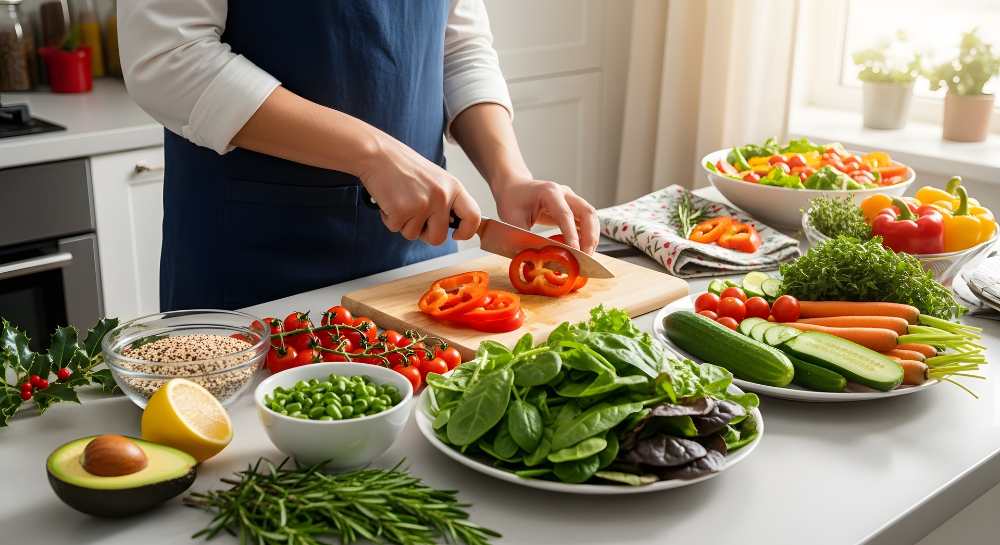
When preparing vegetables, many of us automatically throw away peels, stems, leaves, and other parts without giving them a second thought.
But for generations, home cooks around the world learned to make the most of every ingredient they had. Not because it was fashionable, but because food was valuable. Every carrot top, broccoli stem, cabbage leaf, and potato peel had the potential to become part of another meal.
Today, using more of each vegetable is still a smart way to save money, reduce food waste, and discover new flavors.
At Let’s Veg, we believe that respecting food begins with using as much of it as possible.
Every Vegetable Has More to Offer
Many parts of vegetables that are commonly discarded are completely edible and surprisingly delicious.
For example:
- Broccoli stems can be peeled and added to soups, stir-fries, or salads.
- Carrot tops can be blended into pesto or added to homemade vegetable stock.
- Beet greens can be sautéed like spinach.
- Cauliflower leaves can be roasted until tender and crispy.
- Celery leaves add wonderful flavor to soups and salads.
Learning to use these overlooked parts opens the door to new recipes and less waste.
Vegetable Scraps Can Become Homemade Stock
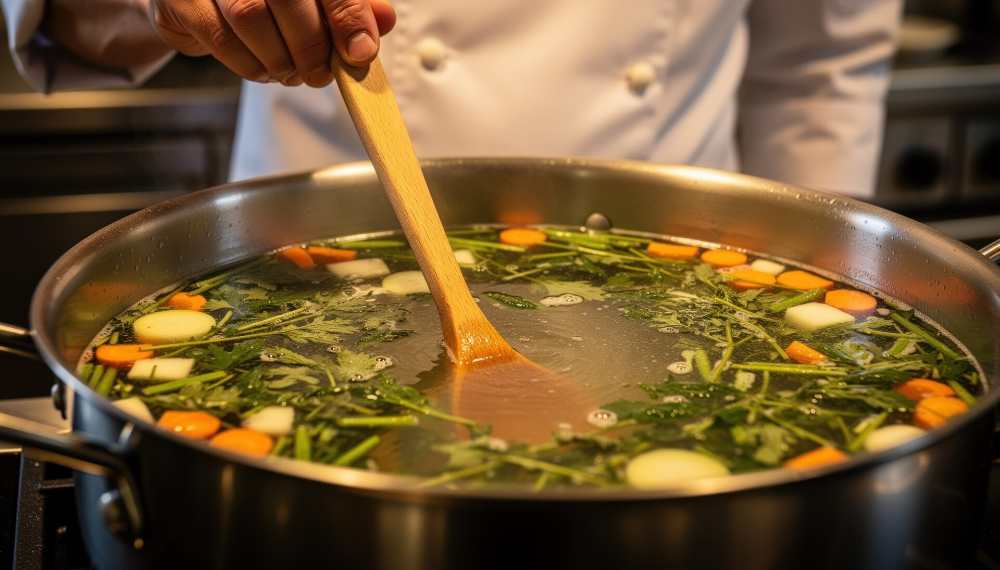
One of the easiest ways to use vegetable scraps is to make your own stock.
Instead of throwing away onion skins, celery ends, carrot peels, mushroom stems, or herb stems, collect them in a freezer bag until you have enough to simmer into a flavorful broth.
Homemade vegetable stock is simple to prepare and adds rich flavor to soups, stews, rice dishes, and sauces.
Peels Often Have a Purpose
Not every vegetable needs to be peeled.
Many peels are edible and contain fiber and nutrients.
Well-washed potatoes, carrots, cucumbers, and zucchini can often be cooked with their skins on, adding texture and reducing preparation time.
Of course, some recipes call for peeling, but it’s worth asking whether it’s truly necessary.
Traditional Cooking Wasted Very Little
Long before modern supermarkets, families couldn’t afford to waste food.
Across many cultures, leftover vegetables became soups, pies, casseroles, pancakes, or stir-fries.
The goal wasn’t to create fancy meals it was to make the most of what was available.
Those traditions still offer valuable lessons today.
Small Changes Make a Big Difference
You don’t have to use every scrap perfectly.
Start with one simple habit:
- roast broccoli stems
- save vegetable scraps for stock
- cook beet greens
- leave potato skins on
- use herb stems in soups
Small changes repeated over time can significantly reduce food waste.
Creativity Starts with Simplicity
Using more of each vegetable encourages creativity in the kitchen.
Instead of asking, “What should I throw away?”
You begin asking:
“What else can I make with this?”
That simple shift often leads to better meals and a greater appreciation for the ingredients you buy.
The Let’s Veg Way
At Let’s Veg, vegetables are more than side dishes.
Every part of a vegetable represents the time, effort, and care that went into growing it.
Using more of each ingredient honors that effort while helping create practical, affordable, and flavorful meals.
Simple cooking often begins with making the most of what you already have.
Every vegetable has more potential than many of us realize.
By learning to use peels, stems, leaves, and scraps in creative ways, we waste less, save more, and discover new possibilities in the kitchen.
The next time you prepare vegetables, pause before throwing something away.
You might be holding the beginning of your next delicious meal.
Cook Simple • Eat Together
Start with the Vegetable Cooking Guide:
https://www.letsveg.com/vegetable-cooking-guide