

how to cook couscous
Couscous is one of the simplest ingredients to prepare, yet getting the texture right makes all the difference. Properly prepared couscous should be tender, fluffy, and easy to separate with a fork rather than wet, sticky, or clumped together.
If you’re wondering how to cook couscous, the good news is that most packaged Moroccan-style couscous takes only about five minutes to hydrate once hot water or broth is added.
The key is using the correct amount of liquid, allowing enough time for absorption, and fluffing the grains before serving.
Whether you’re preparing a vegetable couscous salad, a warm side dish, or a North African-inspired meal, understanding a few basic techniques will help you achieve better results.
What Is Couscous?
Couscous is a staple food with deep roots in North African cooking, particularly in Morocco, Algeria, Tunisia, and neighboring regions.
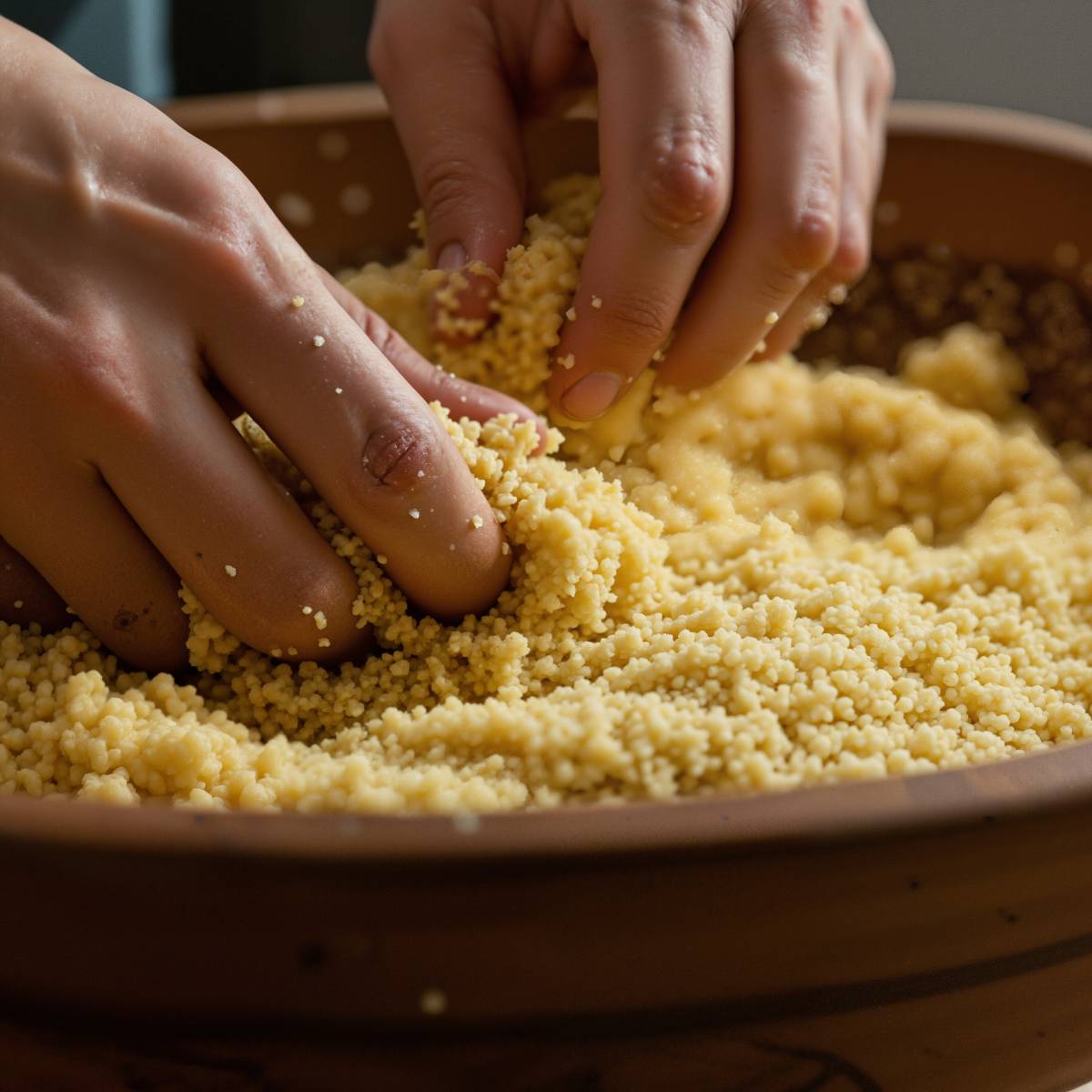
Although couscous resembles a grain, it is traditionally made from semolina derived from durum wheat. Small particles are moistened and rolled into granules, then traditionally steamed until tender.
The packaged couscous commonly sold in American supermarkets is usually precooked and dried. This allows it to be prepared quickly by adding hot liquid.
Couscous has a mild wheat flavor and a soft texture that makes it suitable for vegetables, legumes, herbs, and flavorful sauces.
It is important to remember that couscous contains wheat and is not gluten-free.
How to Cook Couscous on the Stovetop
For standard instant couscous, the most convenient method involves bringing liquid to a boil, adding the couscous, and allowing it to absorb the moisture while covered.
Ingredients
- 1 cup dry instant couscous
- 1 cup water or vegetable broth
- 1 tablespoon olive oil or butter
- ¼ teaspoon salt, or to taste
This ratio is a common starting point for instant couscous. Some brands recommend slightly different amounts of liquid, so always check the package instructions.
Step 1: Bring the Liquid to a Boil
Pour the water or vegetable broth into a small saucepan.
Add the salt and olive oil or butter.
Bring the liquid to a boil over medium-high heat.
Vegetable broth adds flavor, while plain water allows the couscous to take on the flavors of whatever you serve alongside it.
Step 2: Add the Couscous
Once the liquid reaches a boil, remove the saucepan from the heat.
Stir in the dry couscous, making sure all the granules are moistened.
Avoid leaving large dry pockets.
Step 3: Cover and Let It Rest
Cover the saucepan with a tight-fitting lid.
Allow the couscous to stand for approximately five minutes, or according to the package directions.
During this time, the couscous absorbs the hot liquid and becomes tender.
There is no need to continue boiling standard instant couscous.
Step 4: Fluff with a Fork
Remove the lid and gently fluff the couscous with a fork.
Lift and separate the granules rather than pressing them together.
This helps release trapped steam and prevents the couscous from forming dense clumps.
Taste before serving and adjust the seasoning if needed.
For additional flavor, stir in chopped parsley, lemon zest, or a small drizzle of olive oil.
What Is the Correct Couscous-to-Water Ratio?
For many brands of instant Moroccan-style couscous, a 1:1 ratio of couscous to liquid by volume works well.
That means:
- ½ cup couscous with ½ cup liquid
- 1 cup couscous with 1 cup liquid
- 2 cups couscous with 2 cups liquid
However, this is not a universal rule.
Different manufacturers may recommend slightly more liquid depending on the size and processing of their couscous.
If your package recommends a different ratio, follow those instructions first.
Too much liquid can leave couscous wet and heavy. Too little liquid may produce dry or unevenly hydrated granules.
Different Types of Couscous
Not all couscous cooks the same way.
Understanding the differences helps prevent mistakes when following recipes.
Moroccan Couscous
This is the small, fine couscous most commonly found in supermarkets.
The instant variety generally requires only hot water or broth and a short resting period.
It has a relatively delicate texture and works well in salads, vegetable dishes, and as a base for stews.
Pearl Couscous
Pearl couscous, often sold as Israeli couscous, consists of larger, rounded pieces of toasted wheat pasta.
Unlike instant Moroccan-style couscous, pearl couscous generally needs to simmer in liquid until tender.
Its larger shape creates a pleasantly chewy texture.
Pearl couscous is particularly suitable for warm salads, roasted vegetables, and dishes where you want the individual pieces to remain distinct.
Traditional Hand-Rolled Couscous
Traditional North African couscous preparation involves moistening and rolling semolina into small granules, followed by steaming.
A traditional couscous’s, a two-part cooking vessel, allows the couscous to steam above a simmering stew or broth.
This method differs from the quick hydration process used for most packaged instant couscous.
Traditional preparation takes longer but remains an important part of North African food culture.
How to Cook Pearl Couscous
Pearl couscous requires a different cooking method from instant couscous.
For a simple stovetop preparation:
- Heat a small amount of olive oil in a saucepan.
- Add 1 cup pearl couscous and stir briefly to toast it lightly, if desired.
- Add the amount of water or vegetable broth recommended on the package.
- Bring to a simmer and cook according to the package directions, commonly around 8–12 minutes.
- Stir occasionally and check for tenderness.
- Drain any excess liquid if using a pasta-style cooking method.
The finished pearl couscous should be tender with a slight chew.
Avoid using the five-minute soaking method intended for instant Moroccan couscous.
Why Does Couscous Become Sticky or Mushy?
Couscous is simple to prepare, but a few common mistakes can affect its texture.
Adding Too Much Water
Excess liquid is one of the main reasons instant couscous becomes overly soft.
Measure the couscous and liquid carefully rather than estimating.
If the finished couscous appears wet, gently fluff it and allow some steam to escape before serving.
Cooking It for Too Long
Instant couscous is generally already precooked.
Continuing to boil it after adding the liquid can make the granules overly soft.
For standard instant couscous, remove the saucepan from the heat and let it hydrate while covered.
Skipping the Fluffing Step
Couscous naturally settles together as it absorbs liquid.
Using a fork to separate the granules helps create a lighter texture.
Avoid pressing or mashing the couscous with a spoon.
Using the Wrong Method for the Variety
Pearl couscous and instant Moroccan couscous require different preparation methods.
Always identify which type you have before beginning.
Should You Rinse Couscous Before Cooking?
Standard packaged instant couscous generally does not need rinsing before preparation.
Unlike rice, which is sometimes rinsed to remove surface starch, instant couscous is designed to absorb a measured amount of hot liquid.
Rinsing it beforehand introduces additional moisture and can interfere with the intended liquid ratio.
Follow the manufacturer’s instructions if you are using a specialty couscous product.
How to Add More Flavor to Couscous
Plain couscous has a mild flavor, making it easy to pair with many ingredients.
A few simple additions can turn it into a more interesting side dish.
Use Vegetable Broth
Replacing water with vegetable broth adds savory flavor.
Choose a broth that complements the other ingredients in your meal.
Add Fresh Herbs
Parsley, cilantro, and mint work particularly well with couscous.
Stir chopped herbs into the finished couscous rather than boiling them with the liquid.
This helps preserve their fresh flavor.
Include Lemon
A little lemon zest or freshly squeezed lemon juice can brighten couscous, especially when serving it with roasted vegetables or chickpeas.
Start with a small amount and adjust to taste.
Add Toasted Nuts
Toasted almonds or pine nuts contribute a contrasting crunch.
Add them shortly before serving to maintain their texture.
Combine with Vegetables
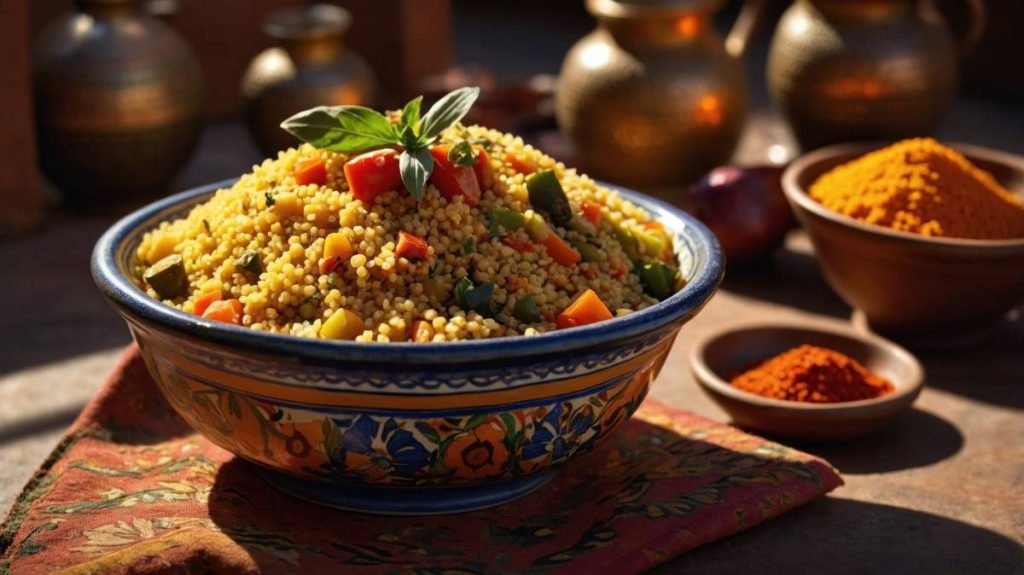
Couscous pairs well with roasted carrots, zucchini, eggplant, peppers, and cauliflower.
For a more substantial dish, combine it with cooked chickpeas and fresh herbs.
What Vegetables Go Well with Couscous?
One of the advantages of couscous is how easily it works with different vegetables.
Roasted carrots add sweetness, while zucchini and bell peppers contribute softer textures.
Cauliflower develops a deeper flavor when roasted, and chickpeas add substance to a couscous bowl.
For a simple vegetable couscous dish, prepare the couscous separately and combine it with cooked vegetables just before serving.
This allows you to control the texture of each ingredient.
If you enjoy roasted vegetables, our guide to why roasted vegetables turn soggy and how to get better browning explains how moisture, spacing, and oven preparation affect roasting results.
Can You Make Couscous Ahead of Time?
Couscous can be prepared ahead for meals and salads.
After cooking, spread it into a shallow container to help it cool promptly.
Refrigerate cooked couscous within two hours of preparation, or within one hour when the surrounding temperature is above 90°F (32°C).
Keep it refrigerated at 40°F (4°C) or below.
When reheating, add a small splash of water or broth if the couscous seems dry.
Cover and heat until steaming hot throughout.
For cold salads, use properly refrigerated couscous and add fresh ingredients when ready to serve.
Is Couscous the Same as Quinoa?
Couscous and quinoa may look similar when cooked, but they come from different plants.
Couscous is made from wheat semolina and contains gluten.
Quinoa is a seed from the quinoa plant and is naturally gluten-free, although people avoiding gluten should check packaging for cross-contact information.
Their cooking methods also differ.
Instant couscous usually absorbs hot liquid while resting off the heat.
Quinoa typically requires simmering until the seeds become tender and the liquid is absorbed.
Both can be used as a base for vegetables, legumes, and salads, but they are not identical ingredients.
A Simple Way to Serve Couscous
For an uncomplicated vegetarian meal, prepare a bowl of fluffy couscous and top it with roasted vegetables, cooked chickpeas, chopped parsley, and a little lemon juice.
A drizzle of olive oil brings the ingredients together, while toasted almonds provide extra texture.
You can also serve couscous alongside vegetable stews, grilled vegetables, or a fresh tomato and cucumber salad.
Once you understand the difference between instant and pearl couscous, preparing either becomes straightforward.
For standard instant couscous, remember the essentials: measure the liquid, remove the pan from the heat, cover, allow it to absorb, and finish by gently fluffing with a fork.
Start with the Vegetable Cooking Guide:
https://www.letsveg.com/vegetable-cooking-guide