

History of Chickpeas: From Ancient Farms to Global Kitchens
Open a can of chickpeas and you probably don’t think much about their history.
You might be preparing hummus, adding them to a salad, making a curry, or roasting them for a crunchy snack.
But those small, round legumes have been feeding people for thousands of years.
Long before modern kitchens, supermarkets, and packaged foods, chickpeas were growing in the fields of ancient farming communities.
They traveled through regions, crossed cultural boundaries, and became part of countless traditional dishes.
Today, chickpeas appear in kitchens from India to the Mediterranean, across the Middle East, throughout Europe, and far beyond.
How did one small ingredient become so important to so many cultures?
The answer begins thousands of years ago.
Chickpeas Are Among the World’s Oldest Cultivated Crops
Chickpeas have an extraordinarily long agricultural history.
Archaeological evidence indicates that people were cultivating chickpeas in Southwest Asia approximately 10,000 years ago, during the early development of agriculture.
The crop is associated with the Fertile Crescent, a region that played an important role in the domestication of several foods we still eat today.
Early farming communities learned that chickpeas could be dried and stored, providing food beyond the immediate harvest.
That was an enormous advantage.
Fresh vegetables were seasonal, but dried legumes could remain available for much longer when protected from moisture and pests.
For families living thousands of years ago, dependable stored food was essential.
From Ancient Fields to Mediterranean Tables
As agriculture spread, chickpeas became established across the Mediterranean region.
They were known to ancient Greeks and Romans, who incorporated them into their diets.
The Romans cultivated different varieties of chickpeas, and the crop appeared in agricultural writing and food traditions.
Chickpeas could be boiled, seasoned, and combined with other ingredients to create filling meals.
Their ability to grow in relatively dry environments helped make them valuable in regions where water availability could be unpredictable.
Over time, chickpeas became part of everyday cooking throughout much of the Mediterranean.
And they never really left.
Hummus: A Simple Dish with a Complicated History
Few chickpea dishes are more recognizable today than hummus.
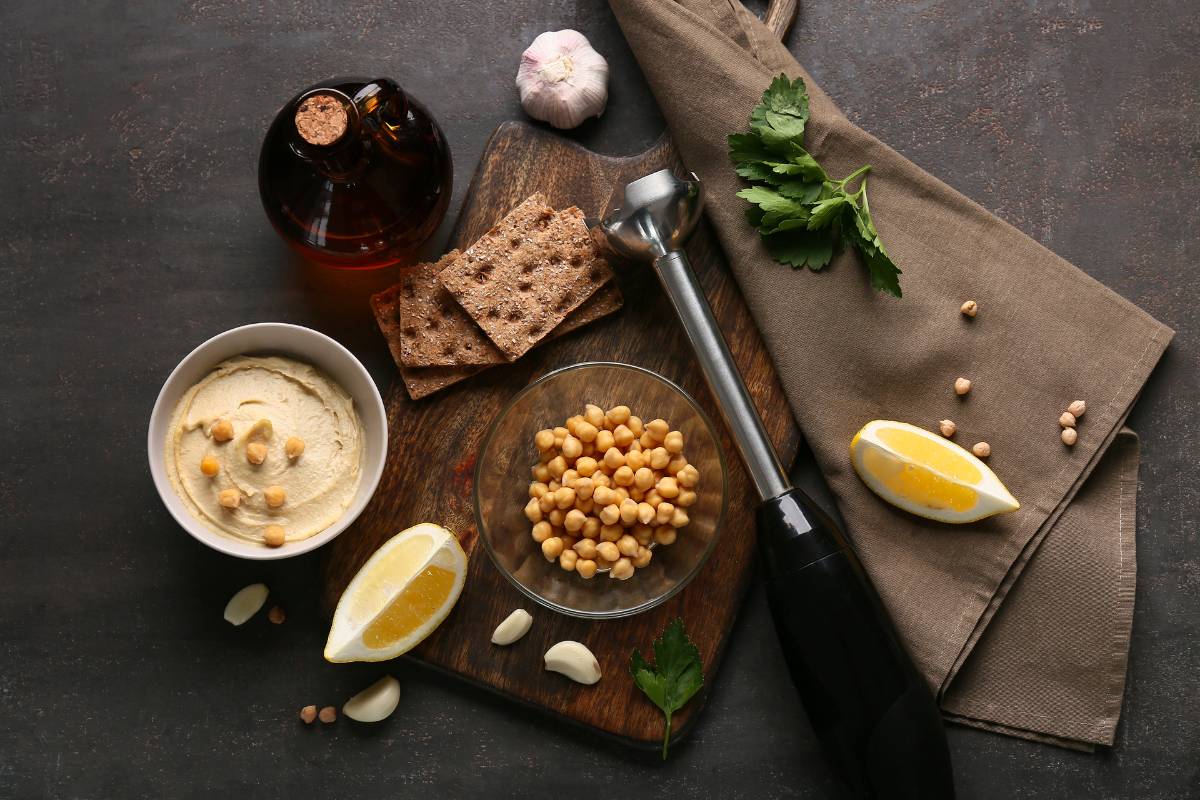
Made primarily from cooked chickpeas, tahini, lemon juice, garlic, and other seasonings, hummus has become popular far beyond its traditional home.
But where did hummus originate?
That’s a question food historians still discuss.
Chickpea-based dishes have existed for centuries, and written recipes resembling modern hummus appear in medieval Middle Eastern culinary traditions.
However, assigning the exact invention of modern hummus to one country or individual isn’t supported by clear historical evidence.
What we do know is that hummus became deeply connected to the food cultures of the Levant and surrounding regions.
Today, it is enjoyed across the Middle East and around the world.
And its appeal is easy to understand.
A handful of simple ingredients becomes a creamy, flavorful dish that can be served with bread, vegetables, or an entire meal.
Falafel: Another Chickpea Favorite
Falafel demonstrates how one ingredient can take a completely different form.
Instead of blending cooked chickpeas into a creamy spread, many traditional falafel recipes use soaked, uncooked chickpeas ground with herbs, onions, garlic, and spices.
The mixture is shaped into balls or patties and fried until crisp.
The result is crunchy outside, tender inside, and full of flavor.
Falafel has a complex regional history, with early versions often associated with Egypt, where fava beans remain common. Chickpea-based falafel became especially prominent in parts of the Levant.
Today, falafel is enjoyed in sandwiches, wraps, bowls, and alongside salads.
It’s another example of how regional traditions can transform a humble ingredient.
India Made Chickpeas Its Own
Travel to India and chickpeas become part of an entirely different culinary world.
Chickpeas are used in curries, snacks, stews, and traditional dishes seasoned with aromatic spices.
One well-known example is chana masala.
This dish typically combines chickpeas with tomatoes, onions, ginger, and spices such as cumin, coriander, and garam masala.
The result is rich, warming, and deeply flavorful.
India also uses several forms of chickpeas, including smaller desi varieties.
And chickpeas aren’t always eaten whole.
They can be split, ground into flour, roasted, or prepared in many other ways.
That versatility helped chickpeas become an important part of South Asian cooking.
Chickpea Flour Changed Cooking Too
One of the most interesting things about chickpeas is that they don’t have to remain whole.
Grind dried chickpeas into flour and an entirely new collection of dishes becomes possible.
Chickpea flour is used in different cuisines under names such as besan and gram flour.
In India, it is used for dishes including pakoras and various savory preparations.
In southern France, chickpea flour becomes socca, a thin savory pancake associated with Nice.
In Italy, a related preparation called farinata is especially associated with Liguria.
Different countries developed their own dishes using the same basic ingredient.
A dried chickpea could become flour, batter, and eventually a completely different meal.
Why Chickpeas Became So Important
Chickpeas offered several advantages that made them valuable to generations of cooks.
They could be dried and stored.
They provided plant protein and dietary fiber.
They worked well with grains and vegetables.
And they could be prepared in numerous ways.
For households with limited ingredients, chickpeas could help make meals more substantial.
A pot of chickpeas combined with onions, vegetables, herbs, and spices could feed several people.
Add rice or bread and the meal becomes even more satisfying.
That practicality explains much of their lasting popularity.
Chickpeas weren’t successful because they were fashionable.
They were useful.
One Ingredient, Many Different Cultures
Consider how differently chickpeas appear around the world.
In the Levant, they become hummus and falafel.
In India, they become chana masala and dishes made with chickpea flour.
In Italy, chickpeas appear in soups, pasta dishes, and farinata.
In southern France, they become socca.
In Spain, they are used in traditional stews and vegetable dishes.
Across North Africa, chickpeas appear in soups, stews, and couscous preparations.
Each culture developed its own approach.
The chickpea remained recognizable, but the cooking traditions changed.
That’s what makes food history so fascinating.
Ingredients travel.
People adapt them.
And eventually, those adaptations become traditions of their own.
Chickpeas in the Modern Kitchen
Today, chickpeas are easier to use than ever.
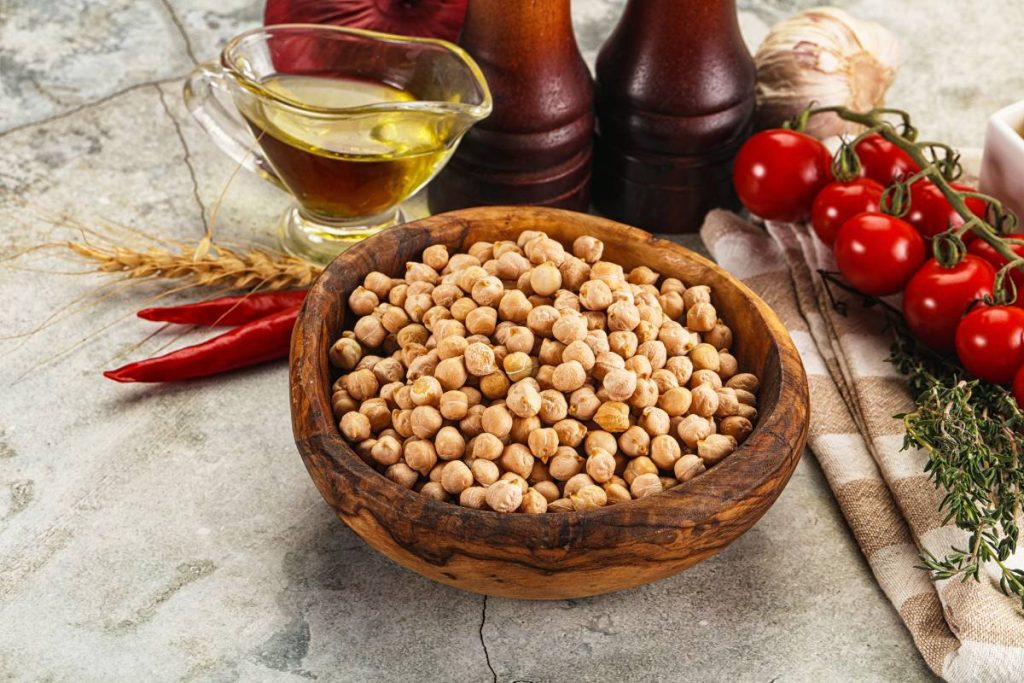
You can buy them dried or canned.
Dried chickpeas require planning, soaking in many recipes, and thorough cooking, but they allow you to control the texture and seasoning.
Canned chickpeas are already cooked and offer convenience when time is limited.
Both can become wonderful meals.
Add chickpeas to a vegetable soup.
Toss them into a salad.
Blend them into hummus.
Cook them with tomatoes and spices.
Roast them for a crunchy topping.
Combine them with roasted vegetables and lemon dressing.
You don’t need an elaborate recipe to appreciate an ingredient that has been feeding people for thousands of years.
Chickpeas and the Art of Simple Cooking
Perhaps the greatest lesson chickpeas offer is that good food doesn’t always require expensive ingredients.
Some of the world’s most recognizable chickpea dishes developed from basic foods that were widely available in their regions.
Legumes.
Grains.
Vegetables.
Herbs.
Spices.
Olive oil.
Lemon.
These ingredients have supported everyday cooking for generations.
And they still work beautifully together.
The Let’s Veg Way
At Let’s Veg, we believe understanding the history of an ingredient can make cooking with it more interesting.
A chickpea isn’t simply something you pour from a can.
It’s part of a food tradition stretching back thousands of years.
It connects ancient farmers with modern kitchens.
It links Mediterranean cooking with Indian spices, Middle Eastern traditions, and European street foods.
And it reminds us that some of the most versatile ingredients are also among the simplest.
Whether you’re preparing hummus, making a vegetable curry, or adding chickpeas to a salad, you’re participating in a culinary tradition that has traveled across generations.
Chickpeas have survived thousands of years of changing civilizations, agricultural practices, and food traditions.
They traveled from ancient farming regions into kitchens around the world.
Along the way, they became hummus, falafel, curries, soups, savory pancakes, and countless family meals.
Their story isn’t about one famous chef or one extraordinary recipe.
It’s about ordinary people discovering how much they could do with one simple ingredient.
And perhaps that’s why chickpeas remain so popular today.
They are affordable, versatile, satisfying, and endlessly adaptable.
Sometimes the foods with the longest histories are the ones that still make the most sense in our kitchens.
Cook Simple • Eat Together
Start with the Vegetable Cooking Guide:
https://www.letsveg.com/vegetable-cooking-guide