

Tabbouli is a celebration of freshness. More herb than grain, more green than anything else, it’s a salad that puts vegetables and herbs firmly at the center of the plate. In many Middle Eastern kitchens, tabbouli isn’t measured it’s felt. Parsley is chopped finely by hand, tomatoes are chosen at peak ripeness, and lemon and olive oil are added until everything feels alive and balanced.
Unlike heavier salads, tabbouli is light yet deeply satisfying. It refreshes rather than fills, wakes up the palate, and brings brightness to any table. It’s often served alongside richer dishes, acting as a counterpoint crisp, tangy, and clean.
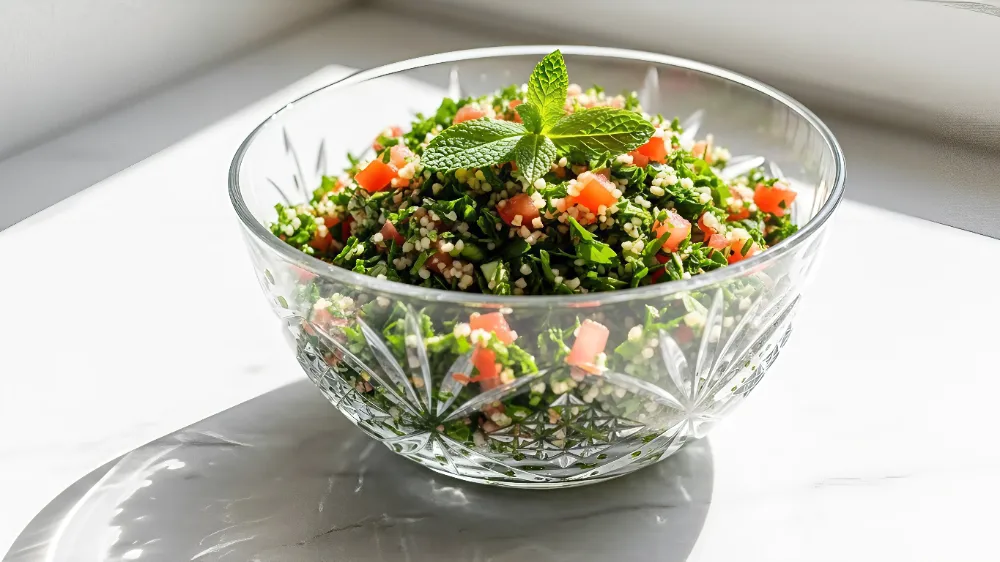
Tabouli salad
Tabbouli salad is a fresh Middle Eastern herb salad made with parsley, mint, tomatoes, bulgur, lemon juice, and olive oil.
Ingredients
Equipment
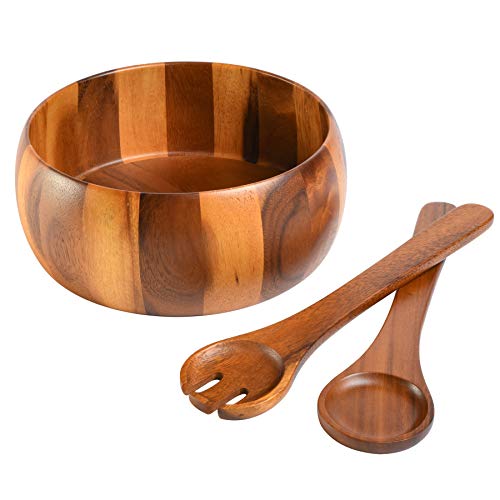
Salad Bowl
Cooking Instructions
- Place bulgur in a small bowl.
- Cover with lemon juice and let soften 10 minutes. (No cooking needed.)
- Finely chop parsley and mint.
- This step matters the finer the chop, the better the texture.
- In a large bowl, combine parsley, mint, tomatoes, and softened bulgur.
- Drizzle with olive oil and add salt.
- Toss gently until everything is evenly coated.
- Adjust lemon, olive oil, or salt as needed.
- Tabbouli should taste bright, lemony, and fresh.
- Serve immediately or chill briefly.
- Best enjoyed fresh.
Nutrition
Notes
Grow-it-yourself: parsley and mint thrive in pots and small gardens.
More lemon than oil: traditional tabbouli leans heavily on lemon.
Gluten-free option: replace bulgur with finely chopped cucumber or quinoa.
Keeps short: best eaten the same day.