

Rice: The Grain That Fed Civilizations
Think about how many meals around the world begin with rice.
A bowl of steamed rice in Japan.
A fragrant biryani in India.
A plate of rice and beans in Latin America.
A creamy risotto in Italy.
A colorful paella in Spain.
Different countries. Different traditions. Different flavors.
Yet all these dishes share one remarkable ingredient.
Rice.
For thousands of years, rice has helped feed civilizations, supported growing populations, and shaped the way people cook.
Today, it remains a daily staple for billions of people.
But how did one small grain become so important to the world?
Its story begins thousands of years before modern kitchens existed.
Rice Has Been Growing for Thousands of Years
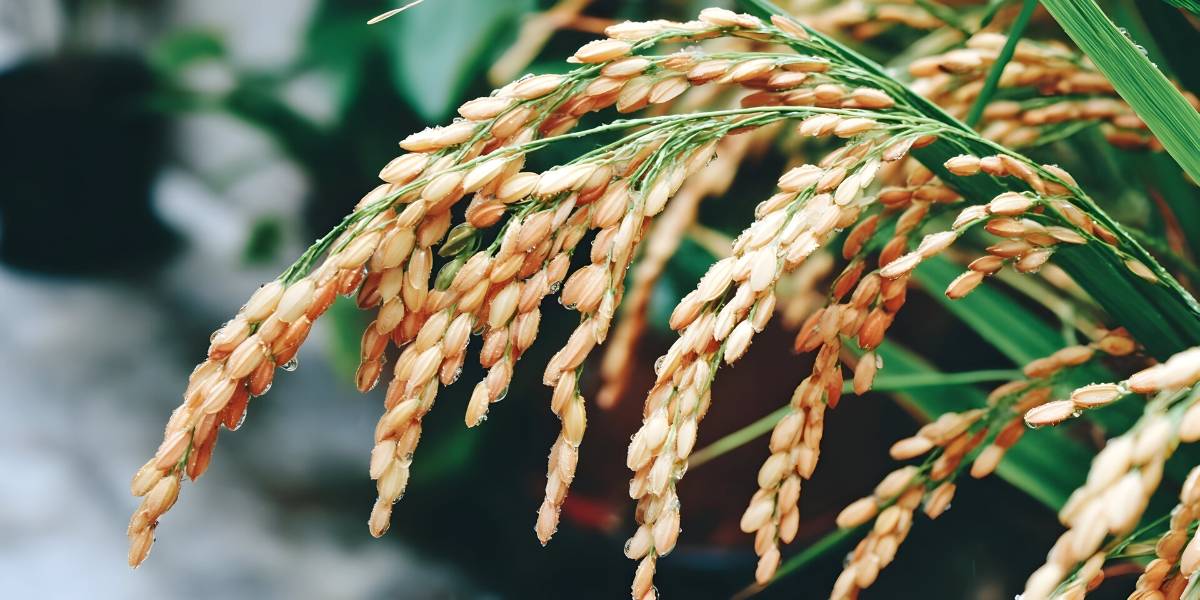
The history of rice stretches back to the earliest agricultural communities in Asia.
Archaeological evidence indicates that people began cultivating rice in China thousands of years ago, with the Yangtze River region playing an especially important role in the development of rice agriculture.
Over time, farmers learned how to select plants, manage water, and improve cultivation.
Rice gradually became a dependable food source.
But growing rice required knowledge.
Farmers needed to understand the seasons, rainfall, soil, and water availability.
That knowledge was passed from generation to generation.
What began as agriculture eventually became part of everyday life and culture.
Rice Helped Shape Ancient Civilizations
Rice wasn’t simply another crop.
In regions where it became a major food source, rice helped support communities and growing populations.
Wet-rice agriculture, particularly in parts of Asia, required careful management of fields and irrigation systems.
Farmers built terraces, canals, and other systems to control water.
Some communities worked together to maintain these agricultural landscapes.
Rice cultivation became connected to the organization of villages, labor, and local economies.
The grain growing in the fields was helping shape the societies around it.
How Rice Traveled Across Asia
As people migrated, traded, and exchanged agricultural knowledge, rice cultivation spread into new regions.
It became deeply established in South Asia, Southeast Asia, Korea, Japan, and other parts of the continent.
But rice didn’t develop into one universal dish.
Every region found its own ways to prepare it.
In India, rice became the foundation of countless dishes, including biryani, pulao, and everyday meals served with lentils and vegetables.
In Japan, short-grain rice became central to traditional meals.
In China, rice appeared in steamed dishes, porridge, and countless regional preparations.
Across Southeast Asia, rice became part of meals ranging from fragrant steamed rice to rice noodles and sticky rice dishes.
The ingredient was familiar.
The cooking traditions were wonderfully different.
Rice Reached the Middle East and Mediterranean
Rice gradually spread westward through trade, migration, and agricultural exchange.
It became established in parts of the Middle East and later expanded into Mediterranean food traditions.
Persian cuisine developed sophisticated rice preparations, including dishes known for their fragrant grains and crispy bottoms.
Rice also became important in Turkish and Arab cuisines, where it was combined with vegetables, herbs, spices, nuts, and other ingredients.
In parts of Europe, rice cultivation expanded during the medieval period and afterward.
Spain developed rice dishes that eventually included the famous paella.
Northern Italy became known for risotto, which uses particular rice varieties and a cooking technique that creates a creamy texture.
Rice was no longer simply an Asian staple.
It had become an international ingredient.
Rice Crossed the Atlantic
Rice eventually became established in the Americas through European colonization and the movement of people and agricultural knowledge.
Its history in the Americas also includes the essential contributions of enslaved Africans.
In parts of West Africa, rice cultivation had developed independently over many centuries, including the domestication of African rice.
Enslaved Africans brought extensive agricultural knowledge to rice-growing regions of the Americas, particularly the southeastern United States.
Their expertise contributed significantly to the development of rice cultivation.
This history is an important reminder that the movement of food crops was not always peaceful or voluntary.
Agriculture, trade, migration, and human exploitation all played roles in shaping the foods we eat today.
Over time, rice became an essential part of cuisines throughout Latin America, the Caribbean, and the southern United States.
One Grain, Hundreds of Different Meals
Perhaps the most fascinating thing about rice is how differently people cook it.
Consider a few familiar dishes.
Biryani combines rice with aromatic spices and other ingredients, creating a layered and flavorful meal.
Risotto uses rice varieties that release starch during cooking, producing a creamy texture.
Paella is traditionally cooked in a wide pan, allowing rice to absorb flavorful liquid.
Fried rice transforms cooked rice into another meal with vegetables, seasonings, and other ingredients.
Mujadara combines rice or bulgur with lentils and caramelized onions in a beloved Middle Eastern dish.
Rice and beans appear in numerous forms across Latin America, the Caribbean, and beyond.
These dishes demonstrate something remarkable.
The same basic ingredient can become completely different meals depending on how people prepare it.
Rice Isn’t Just One Kind of Grain
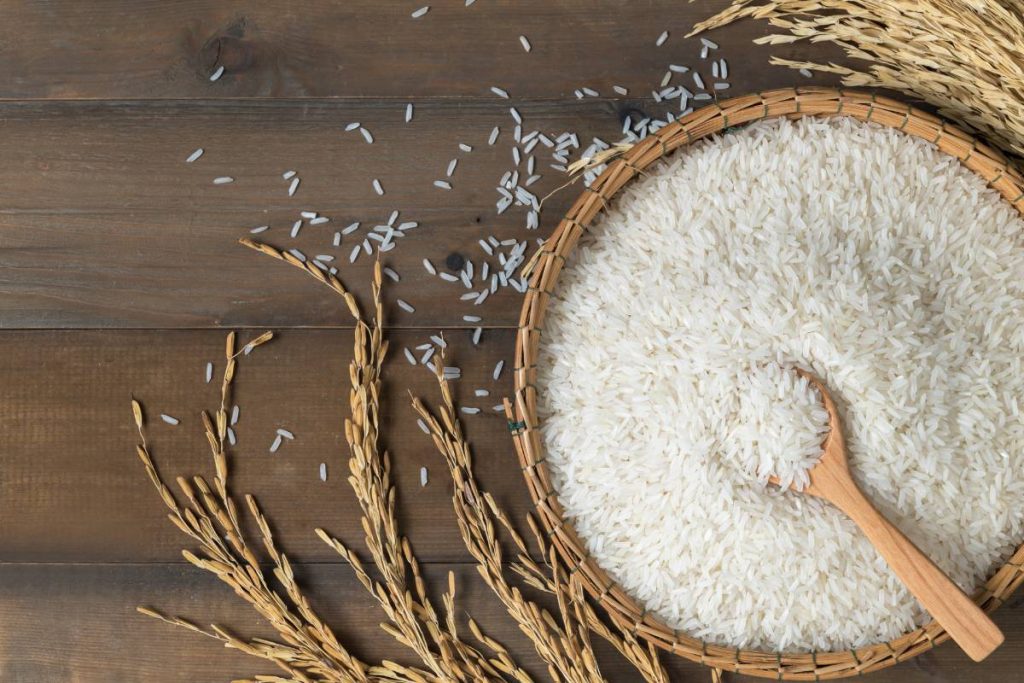
Walk through a supermarket and you’ll notice that rice comes in many varieties.
Long-grain rice.
Short-grain rice.
Medium-grain rice.
Basmati.
Jasmine.
Arborio.
Brown rice.
White rice.
Each has characteristics that influence how it cooks.
Long-grain varieties often remain relatively separate when cooked properly.
Short-grain varieties tend to be stickier.
Arborio and certain other Italian rice varieties are especially useful for creamy risotto.
Brown rice retains the bran and germ, giving it a chewier texture and a different nutritional profile from white rice.
These differences help explain why traditional rice dishes often depend on particular varieties.
The type of rice matters.
Rice and the Art of Simple Cooking
One reason rice became so important is its ability to work with other ingredients.
A small amount of vegetables can become a satisfying meal when combined with rice.
Think about rice with lentils.
Rice with sautéed vegetables.
Rice with herbs and spices.
Rice can absorb flavors while helping make meals more substantial.
That’s especially valuable for families trying to prepare affordable everyday food.
You don’t need expensive ingredients to make rice interesting.
Sometimes onions, garlic, vegetables, and a few spices are enough.
Rice Has Always Been More Than Food
In many cultures, rice carries meanings that extend beyond everyday nutrition.
It can symbolize prosperity, abundance, fertility, hospitality, or celebration.
Rice appears in traditional ceremonies, weddings, festivals, and religious practices in different parts of the world.
In some communities, the word for rice is closely connected to the idea of a meal itself.
That tells us something about its importance.
Rice isn’t simply an ingredient served beside dinner.
For countless families, it represents home.
Rice Still Feeds the Modern World
Thousands of years after people first began cultivating rice, the grain remains one of the world’s most important staple foods.
Modern agriculture has changed how rice is grown, processed, transported, and sold.
Mechanization and improved crop varieties have helped increase production in many regions.
But rice farming also faces challenges.
Water availability, changing weather patterns, soil conditions, and environmental pressures can affect production.
Researchers and farmers continue developing ways to make rice cultivation more productive and sustainable.
The story of rice is still being written.
The Let’s Veg Way
At Let’s Veg, we believe rice is one of the most useful ingredients in a practical kitchen.
It’s affordable, versatile, and easy to combine with vegetables.
You can prepare a simple vegetable fried rice.
Add rice to a soup.
Make a colorful rice salad.
Combine it with mushrooms, carrots, peas, onions, and herbs.
Or simply serve it alongside a vegetable dish that needs something to absorb its sauce.
Rice reminds us that a good meal doesn’t always require a long list of ingredients.
Sometimes one grain, a few vegetables, and a little creativity are enough.
Final Thoughts
The history of rice is really the history of people.
Farmers learning how to cultivate land.
Communities developing irrigation systems.
Traders carrying crops into new regions.
Families adapting recipes to local ingredients.
Generations passing down cooking traditions.
From ancient Asian fields to Mediterranean kitchens and American dinner tables, rice has traveled an extraordinary distance.
And despite all the changes in agriculture and cooking, its purpose remains remarkably familiar.
It helps feed people.
It brings ingredients together.
And it continues to appear on family tables around the world.
The next time you prepare a simple bowl of rice, remember that you’re cooking with an ingredient that helped shape civilizations.
Cook Simple • Eat Together
Start with the Vegetable Cooking Guide:
https://www.letsveg.com/vegetable-cooking-guide