
Ingredients

Equipment

Round baking Pan
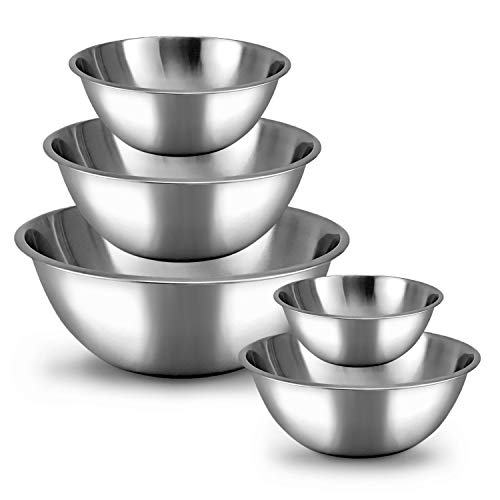
Mixing bowl
Cooking Instructions
- Combine the flour, sugar, and salt. Cut in the cold butter until the mixture resembles coarse crumbs. Add the egg yolk and enough ice water for the dough to just come together.
- Shape the dough into a disk, wrap, and refrigerate for 30 minutes.
- Preheat the oven to 375°F (190°C). Roll the chilled dough and fit it into a 9-inch tart pan. Trim the edges and prick the bottom lightly with a fork.
- Line the crust with parchment paper and fill with pie weights. Bake for 15 minutes. Remove the parchment and weights and bake for another 5-7 minutes, until the crust looks dry and is beginning to turn golden.
- Reduce the oven temperature to 325°F (165°C).
- Whisk the eggs, egg yolks, and sugar until combined. Add the fresh lemon juice, lemon zest, heavy cream, and salt and whisk gently until smooth.
- Pour the lemon mixture into the warm tart shell. Bake for 18-22 minutes.
- Check the center before removing the tart from the oven. The edges should be set, while the center should still have a slight wobble when the pan is gently moved. It will continue setting as it cools.
- Cool completely at room temperature, then refrigerate for at least 2 hours before removing from the tart pan.
- Garnish with very thin lemon slices shortly before serving. Add powdered sugar or fresh mint if desired.
Nutrition
Notes
Use freshly squeezed lemon juice and finely grated zest; both are important to the tart's flavor.
Stop baking when the center still has a slight wobble. A completely firm center in the oven can result in an overcooked filling after cooling.
When zesting the lemons, remove only the yellow outer layer. The white pith underneath can taste bitter.
Raw lemon slices can be quite tart and bitter. Slice them paper-thin for decoration, or use candied lemon slices if they are intended to be eaten.
Chill the tart thoroughly before cutting. A cold filling produces much cleaner slices.
Store the finished tart covered in the refrigerator. Add decorative lemon slices close to serving time so they don't release excess juice onto the surface.
Stop baking when the center still has a slight wobble. A completely firm center in the oven can result in an overcooked filling after cooling.
When zesting the lemons, remove only the yellow outer layer. The white pith underneath can taste bitter.
Raw lemon slices can be quite tart and bitter. Slice them paper-thin for decoration, or use candied lemon slices if they are intended to be eaten.
Chill the tart thoroughly before cutting. A cold filling produces much cleaner slices.
Store the finished tart covered in the refrigerator. Add decorative lemon slices close to serving time so they don't release excess juice onto the surface.