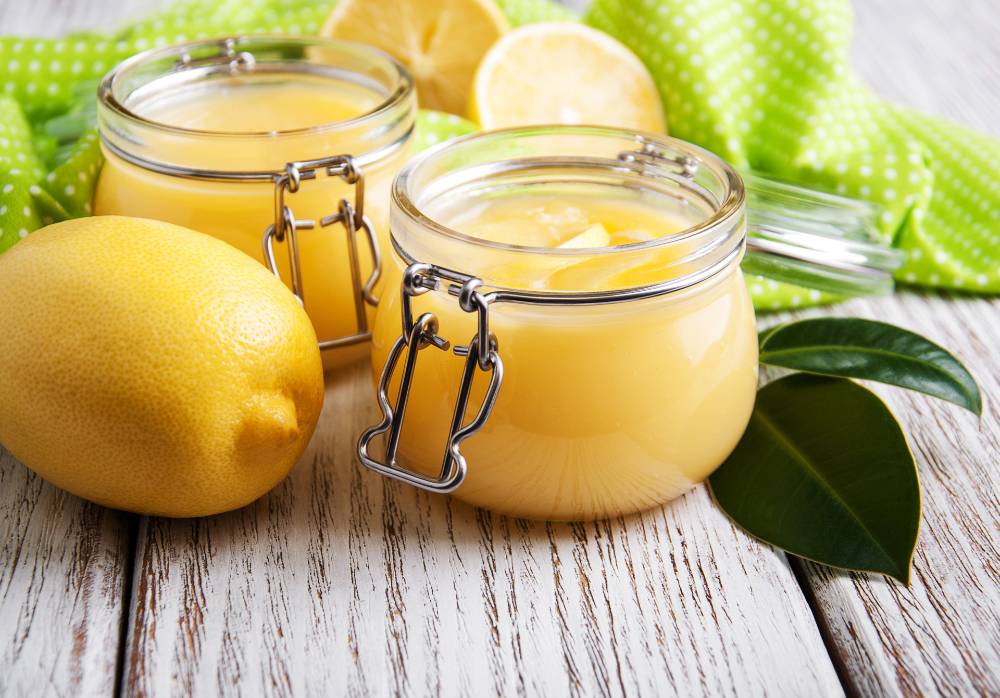
Ingredients

Equipment

small soup pot
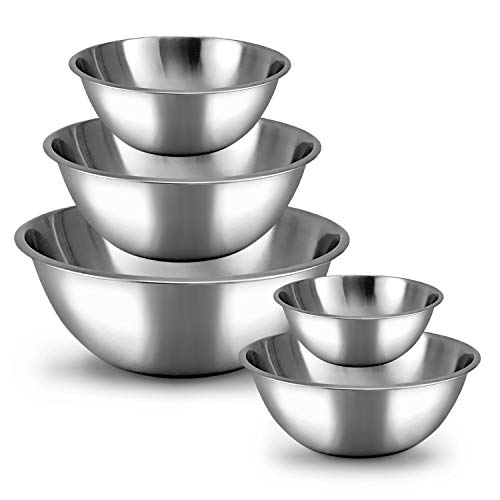
Mixing bowl
Cooking Instructions
- Wash the lemons thoroughly under running water and dry them with a clean kitchen towel.
- Finely grate the yellow outer skin of the lemons, avoiding the bitter white pith underneath. Measure 1 tablespoon of zest.
- Cut the lemons in half and squeeze out the juice. Strain the juice to remove seeds and excess pulp, then measure ½ cup.
- Place the eggs, granulated sugar, lemon juice, lemon zest, and salt in a medium heatproof bowl. Whisk until the mixture is smooth and the sugar is evenly distributed.
- Fill a medium saucepan with approximately 1-2 inches of water and bring it to a gentle simmer over medium-low heat.
- Place the heatproof bowl over the saucepan, making sure the bottom of the bowl does not touch the simmering water.
- Cook the lemon mixture over the gentle heat, whisking continuously for approximately 10–15 minutes. The mixture will gradually become thicker and more opaque as the eggs cook.
- Continue cooking until the curd reaches 170°F (77°C) on an instant-read thermometer and is thick enough to coat the back of a spoon. When a finger is drawn across the coated spoon, the line should remain visible.
- Remove the bowl from the heat. Add the cubed butter a few pieces at a time, stirring until each addition melts and becomes fully incorporated. The curd should develop a smooth, glossy appearance.
- For an especially smooth texture, pour the warm lemon curd through a fine-mesh strainer into a clean bowl. Use a silicone spatula to gently press the mixture through the strainer, removing any cooked egg particles or larger pieces of zest.
- Transfer the lemon curd to a clean, shallow container. Cover the surface directly with food-safe plastic wrap to prevent a skin from forming. Refrigerate promptly for approximately 2 hours, or until completely chilled and thickened.
- Stir gently before serving, then transfer to a clean glass jar or serving bowl. Use as a spread for toast and scones or as a filling for cakes, pastries, and lemon desserts.
Nutrition
Notes
Use fresh lemons: Freshly squeezed lemon juice provides a brighter flavor than most bottled alternatives. Choose lemons that feel heavy for their size, as they generally contain more juice.
Control the cooking temperature: Lemon curd thickens as the eggs cook. Gentle heat and continuous whisking help prevent scrambling. If the mixture begins developing lumps, remove it from the heat and whisk vigorously before straining.
Check the finished consistency: Warm lemon curd should coat the back of a spoon but will still be softer than its final chilled texture. Avoid continuing to cook simply because it looks thinner than refrigerated curd.
Add butter after cooking: Stirring the butter into the hot curd after removing it from the heat helps create a smooth, glossy finish. Adding the butter in small pieces allows it to incorporate evenly.
Adjust the lemon intensity: For a more pronounced citrus aroma, increase the finely grated zest slightly rather than adding extra lemon juice, which can change the balance of acidity and thickness.
Storage and food safety: Keep homemade lemon curd refrigerated at 40°F (4°C) or below in a clean, covered container. Use within 7 days for a conservative homemade-storage guideline. This recipe is intended for refrigeration, not shelf-stable canning. Canning requires a separately tested preservation recipe.